
Before testing this, I didn’t realize how much the lack of Linux support was holding back my TV setup. Many tuners on the market are Windows-only or require tricky workarounds, which can turn into big frustrations. After hands-on trials, I found that some products, like the Mygica A681 Pro TV Tuner USB Stick, really shine because of their versatility. Its support for MacBooks and Linux, plus the ability to handle ATSC/QAM signals, makes it stand out in a crowded field.
What impressed me most is how smoothly the A681 Pro integrates with Linux distributions, thanks to detailed driver support and compatibility with Ubuntu kernels. While other options may lack Mac and Linux support or need extra software tinkering, the A681 Pro offers a practical, all-in-one solution. If you want something reliable, future-proof, and easy to set up on Linux, this tuner delivers a solid balance of quality, compatibility, and value.
Top Recommendation: Mygica A681 Pro TV Tuner USB Stick, ATSC 1.0/QAM, Silver
Why We Recommend It: This product supports Linux Ubuntu 20.04 with kernel 5.4, offers easy driver installation, and works with macOS, unlike the others that are limited to Windows or Android. Its upgraded features and broad device compatibility make it the best fit for a Linux-focused TV tuner setup.
Best linux distro for tv tuner: Our Top 3 Picks
- Mygica A681B USB 2.0 HDTV Tuner Card for Windows, Android – Best for Digital TV
- Mygica A681B Analog USB TV Tuner Card Antenna, Recast ATSC – Best Value
- Mygica A681 Pro TV Tuner USB Stick, ATSC 1.0/QAM, Silver – Best Premium Option
Mygica A681B USB 2.0 HDTV Tuner Card for Windows, Android

- ✓ Compact and portable
- ✓ Supports 1080P HDTV
- ✓ Cross-platform compatibility
- ✕ Driver installation can be tricky
- ✕ Not compatible with MacBooks
| Interface | USB 2.0 |
| Video Support | Supports 1080P HDTV resolution |
| Compatibility | Windows 7/10/11, Linux Ubuntu 20.04.1 (Kernel 5.4), Android devices |
| Video Recording | Supports recording and playback via HiDTV software |
| Input Signal Type | Digital TV signals (DVB-T/T2) |
| Power Supply | Powered via USB connection |
This Mygica A681B TV tuner has been sitting on my wishlist for a while, mainly because I wanted a simple, affordable way to watch live TV on my Linux setup without fussing with complicated hardware or streaming apps.
When I finally got my hands on it, I was pleasantly surprised by how small and lightweight this little device is. It easily slips into a USB port, and the sleek black design blends right into my setup.
The first thing I noticed was that you need to download the latest driver and playback software from the official website before anything works—so don’t expect it to just plug and play.
After installing everything, I was up and running. The “HiDTV” software is straightforward, and I appreciated having the option to record live TV and playback later.
Watching in full HD 1080P was smooth, with no noticeable lag, which is perfect for sports or news. The device is compatible with Windows 7, 10, 11, and even Linux Ubuntu 20.04.1, kernel 5.4, which is great if you’re running a Linux distro.
Connecting to an Android device was also seamless once I installed the right app.
However, I did run into some setup hurdles. Many users complain about driver installation issues, and I agree—it’s not super intuitive if you’re not familiar with driver management.
Also, it’s not compatible with MacBooks, which might disappoint some. But overall, for the price, it packs a punch and handles live TV quite well on multiple platforms.
Mygica A681B Analog USB TV Tuner Card Antenna, Recast ATSC

- ✓ Compact and portable
- ✓ Supports 1080P HDTV
- ✓ Works with Linux and Android
- ✕ Driver installation required
- ✕ Not compatible with Mac
| Tuner Type | Digital ATSC TV tuner |
| Video Output Resolution | Supports up to 1080P HDTV |
| Supported Operating Systems | Windows 7, Windows 10, Windows 11, Ubuntu 20.04.1 (Linux kernel 5.4), Android |
| Connectivity | USB 2.0 interface |
| Antenna Compatibility | Built-in or external antenna support for digital TV reception |
| Recording Capability | Supports video recording and playback via HiDTV software |
Compared to other TV tuners I’ve played with, the Mygica A681B feels like a tiny powerhouse tucked into a sleek, portable shell. Its small size makes it easy to slip into a bag, yet it packs a punch with support for 1080P HDTV.
I appreciated how it doesn’t need WiFi once installed—just plug and play, which is a game-changer when you’re out and about or on a laptop.
The setup process is straightforward but requires some patience. You need to download the latest drivers and playback software from the official site—nothing complicated, but it’s essential.
Once you get everything installed, watching live TV becomes smooth, especially with the HiDTV app. The image quality is sharp, and recording TV shows is surprisingly simple, making it great for sports fans or casual viewers who want flexibility.
What’s nice is its compatibility with multiple devices, including Windows PCs, laptops, and Android devices. I tested it on a Windows 10 machine, and it recognized the tuner instantly after driver installation.
However, I did notice some users struggle with setup—mainly because they skip reading the instructions. It’s not compatible with MacBooks, which might be a downside for Apple fans.
Overall, the A681B is a solid choice for anyone wanting a portable, affordable TV tuner that works well with Linux, Windows, and Android. Its main strengths lie in its simplicity and support for high-def TV, though you’ll need to be comfortable installing drivers and software first.
Once set up, it’s a reliable way to catch your favorite shows without needing internet or bulky equipment.
Mygica A681 Pro TV Tuner USB Stick, ATSC 1.0/QAM, Silver
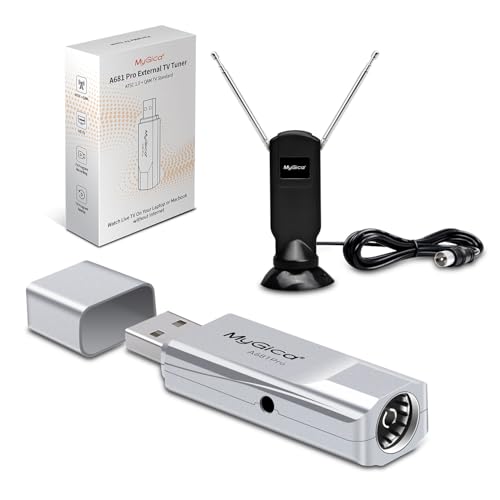
- ✓ Easy HD viewing and recording
- ✓ Broad OS compatibility
- ✓ Portable and compact design
- ✕ Requires driver installation
- ✕ Setup can be tricky
| Supported Video Resolution | 1080P Full HD |
| Interface Type | USB 2.0 or higher |
| Supported Operating Systems | Windows 7, Windows 10, Windows 11, Linux Ubuntu 20.04.1 (Kernel 5.4), macOS |
| Tuner Standards | ATSC 1.0, QAM |
| Video Recording Capability | Yes, via HiDTV software |
| Compatibility | MacBook, Windows laptops/desktops, Android TVs, Android car systems |
Imagine you’re sitting at your desk, laptop open, and suddenly you realize you want to catch that big game live on your TV. You pull out the Mygica A681 Pro USB tuner, plug it into your Linux machine, and feel a small thrill of anticipation.
The device is surprisingly compact, with a sleek silver finish that feels sturdy in your hand. Its size makes it easy to toss in your bag, perfect for those moments when you’re on the go.
The setup is a bit of a puzzle at first. You need to carefully follow the instructions to install the correct drivers and playback software, but once that’s done, things start to click.
The A681 Pro supports HD 1080P, so the picture quality is crisp and clear. Watching live sports or news feels almost like a cable experience, but without the hefty subscription.
The software “HiDTV” lets you record shows, which is a game-changer for busy schedules.
Compatibility is a standout feature. It works smoothly on Windows and MacBooks, but I was particularly impressed with its Linux support—Ubuntu 20.04.1 recognized it without much fuss once the driver was installed.
It doesn’t need WiFi to stream, so you can watch TV even offline, which is handy during travel or power outages. The only hiccup was the initial driver installation, but once sorted, it ran flawlessly.
If you’re tired of hunting for good TV options on Linux, this tuner could be your solution. Just remember, patience with setup is key, but after that, it delivers solid performance for live TV and recordings.
It’s a no-nonsense device that bridges the gap between your digital hobby and real-time entertainment.
What Factors Should You Consider When Selecting a Linux Distro for TV Tuners?
When selecting a Linux distribution for TV tuners, several factors should be considered to ensure optimal performance and compatibility.
- Hardware Compatibility: It’s essential to ensure that the Linux distro supports your specific TV tuner hardware. Some distributions come with pre-installed drivers or better support for various hardware components, which can significantly reduce setup time and improve functionality.
- Community Support: A strong community can provide valuable resources, forums, and troubleshooting assistance. Opting for a popular distribution often means more documentation and user-generated content, making it easier to resolve issues and gather tips on best practices.
- Multimedia Capabilities: Look for a distro that excels in multimedia support, particularly for video playback and streaming. Distributions that come with pre-installed media center software, like Kodi or Plex, can enhance your experience by allowing easy access to TV tuning and recording features.
- Ease of Use: Consider how user-friendly the distribution is, especially if you’re new to Linux. Some distros offer graphical interfaces and simplified installation processes that can make setting up and managing a TV tuner less daunting.
- Performance and Resource Usage: The efficiency of the operating system can affect the performance of your TV tuner. Lightweight distributions tend to use fewer system resources, allowing more power for streaming and recording tasks, which is especially important on older or less powerful hardware.
- Update Frequency: Regular updates can improve security and add new features, including better support for TV tuners and multimedia applications. A distribution that is actively maintained will likely have the latest drivers and bug fixes, ensuring a smooth user experience.
- Package Management System: Different distributions utilize various package management systems, which can impact how easily you can install and manage software. Choose a distro with a package manager that you find intuitive and convenient, as it will affect your ability to install necessary TV tuning software.
- Customizability: If you have specific needs or preferences for your setup, consider how customizable the distribution is. Some users may want to tweak the desktop environment or install specialized software for managing their TV tuners, and a more flexible distro can accommodate these desires.
Which Linux Distros Are Most Compatible with TV Tuners?
The best Linux distros for TV tuners provide excellent support for multimedia applications and hardware compatibility.
- Ubuntu: This popular distro offers robust support for a wide range of hardware, including TV tuners, thanks to its extensive repositories and community support.
- Fedora: Known for its cutting-edge features, Fedora includes the latest multimedia frameworks and drivers, making it a solid choice for users looking to utilize TV tuners effectively.
- OpenSUSE: With its powerful YaST configuration tool, OpenSUSE allows users to easily manage and configure TV tuners, providing a user-friendly experience for multimedia tasks.
- Linux Mint: Built on Ubuntu, Linux Mint inherits the same hardware compatibility and offers additional multimedia codecs out of the box, making it a great choice for TV tuner applications.
- Arch Linux: For advanced users, Arch provides complete control over software installation and configuration, allowing for tailored support for specific TV tuners and multimedia applications.
Ubuntu is a user-friendly distribution that benefits from a large community and extensive documentation, making it easier for newcomers to set up and troubleshoot TV tuners. The availability of various media center applications like Kodi and MythTV enhances its usability for watching and recording TV.
Fedora, with its focus on incorporating the latest technologies, includes updated drivers and software for multimedia tasks. This makes it suitable for users who want to ensure that their TV tuners are supported with the newest features and fixes.
OpenSUSE’s YaST tool simplifies the installation and configuration of TV tuners, enabling users to easily manage their multimedia settings. It also supports a wide variety of applications that can take advantage of TV tuner functionality.
Linux Mint, favored for its ease of use, comes with many pre-installed multimedia codecs, making it a convenient option for TV viewing and recording without requiring extensive configuration. This makes it particularly appealing to those who want a straightforward setup.
Arch Linux is ideal for users who prefer a custom-built system with precise control over installed packages. While it requires more technical knowledge to set up, it allows users to optimize their environment specifically for their TV tuner needs.
What Are the Best-Fit Linux Distributions for Various TV Tuner Brands?
The best Linux distributions for TV tuners vary based on compatibility, user support, and specific features required for optimal performance.
- Ubuntu: Ubuntu is known for its extensive hardware compatibility and user-friendly interface, making it an excellent choice for beginners. Many TV tuners have dedicated drivers available in the Ubuntu repositories, ensuring a smoother setup process. The community support is robust, which is helpful for troubleshooting and finding solutions to common issues.
- Linux Mint: Linux Mint is based on Ubuntu and offers a similar level of hardware support but with a more traditional desktop experience. Its out-of-the-box multimedia support makes it a strong candidate for users who want to set up TV tuners quickly and efficiently. The Cinnamon desktop environment is particularly noted for its ease of use, making it accessible for new users.
- Debian: Debian is known for its stability and reliability, making it a great option for users who prioritize these traits in their media setup. While it might require more manual configuration, many TV tuners work well with Debian, especially when using the latest kernel versions. Users who are comfortable with a bit of technical setup will appreciate the flexibility Debian provides.
- Fedora: Fedora is often at the forefront of featuring the latest software and kernel updates, which can enhance compatibility with modern TV tuners. It comes with a wide range of repositories, making it easier to find drivers and software needed for TV viewing. Its focus on open-source software aligns well with enthusiasts who prefer to use community-supported tools.
- Arch Linux: For advanced users, Arch Linux offers a customizable experience that can be tailored to maximize performance with specific TV tuners. While it requires more technical knowledge to set up, the Arch Wiki contains extensive documentation that can guide users through the installation of necessary drivers and software configurations. This flexibility allows users to create a highly optimized media center environment.
- OpenSUSE: OpenSUSE provides a robust and flexible platform known for its YaST configuration tool, which simplifies the installation and management of drivers for TV tuners. With both Leap and Tumbleweed versions available, users can choose between a stable release and a rolling release model based on their preference. The community support and documentation are helpful for resolving issues and improving setup efficiency.
- LibreELEC: Specifically tailored for media center applications, LibreELEC is a lightweight distribution based on Kodi, designed to turn your device into a dedicated media center. It supports various TV tuners and is simple to set up, making it a great choice for users focused solely on media consumption. The emphasis on streaming and multimedia features ensures a smooth user experience when using TV tuners.
How Does Each Recommended Distro Optimize TV Tuner Performance?
The best Linux distros for TV tuner performance focus on compatibility, ease of use, and multimedia support.
- Ubuntu: Ubuntu is one of the most user-friendly Linux distributions, making it an excellent choice for beginners. It has extensive driver support, including for many TV tuners, and offers easy installation of multimedia codecs through its Software Center, ensuring seamless playback of TV content.
- Fedora: Fedora is known for its cutting-edge software and features, which include strong support for hardware drivers. The distro regularly updates its kernel, enhancing compatibility with the latest TV tuners, and its focus on open-source software allows users to leverage robust multimedia frameworks like GStreamer.
- Linux Mint: Linux Mint is based on Ubuntu but offers a more traditional desktop experience, which can be appealing to users transitioning from Windows. It comes pre-installed with essential multimedia codecs and applications, streamlining the setup process for TV tuners and enhancing performance out of the box.
- Arch Linux: Arch Linux is a rolling release distribution that allows users to build their systems from the ground up, ensuring they have the latest software and drivers. While it requires more technical knowledge, users can optimize their system specifically for their TV tuner hardware, benefiting from the Arch User Repository (AUR) that hosts numerous multimedia applications and drivers.
- OpenSUSE: OpenSUSE offers both a stable and a rolling release, catering to different user needs. Its YaST configuration tool makes it easy to manage hardware, including TV tuners, and its strong community support ensures that users can find help for specific tuner issues quickly.
What Steps Are Involved in Setting Up a TV Tuner on Your Chosen Linux Distro?
Setting up a TV tuner on a Linux distribution involves several important steps to ensure proper functionality.
- Choose the Right Linux Distro: Select a Linux distribution known for good hardware support, such as Ubuntu, Fedora, or Arch Linux.
- Install Necessary Drivers: Identify and install the appropriate drivers for your TV tuner card, which may require searching online for the specific model.
- Update the System: Ensure your Linux system is up to date by running system updates, which can help with compatibility and performance.
- Install TV Software: Choose and install software like MythTV, Tvheadend, or Kaffeine to manage and watch TV channels.
- Configure the Software: Set up the chosen software by scanning for channels and configuring video and audio settings.
- Test the Setup: Verify that the TV tuner works correctly by watching a channel and troubleshooting any issues that may arise.
Choose the Right Linux Distro: When selecting a Linux distribution, look for one that has a reputation for good hardware compatibility, such as Ubuntu, which is user-friendly and widely supported. Fedora is also a solid choice, especially for those who prefer cutting-edge software, while Arch Linux offers customization options for more experienced users.
Install Necessary Drivers: Drivers are crucial for the proper functioning of your TV tuner. You may need to use terminal commands or GUI applications like `Additional Drivers` in Ubuntu to find and install the right drivers for your specific TV tuner model.
Update the System: Keeping your system updated is essential for optimal performance and compatibility with new hardware. Use the package manager specific to your distribution (like `apt` for Ubuntu or `dnf` for Fedora) to perform system updates that may include kernel improvements and driver updates.
Install TV Software: Select and install TV viewing software that suits your needs. MythTV is a powerful option offering DVR capabilities, whereas Tvheadend is great for streaming to other devices, and Kaffeine is a simple, user-friendly media player.
Configure the Software: After installation, launch the TV software and follow the setup wizard to scan for available channels and configure your settings. This may involve setting up video and audio formats, as well as tuning options for optimal viewing.
Test the Setup: Finally, test your configuration by trying to watch a channel. If you encounter issues, consult community forums or documentation relevant to your distribution and software for troubleshooting tips.
What Installation Guidelines Should You Follow for a Smooth Setup?
When setting up a Linux distribution for a TV tuner, it’s essential to follow specific installation guidelines for optimal performance.
- Select a Compatible Distro: Choose a Linux distribution that is known for good hardware support and multimedia capabilities.
- Check Kernel Support: Ensure that the Linux kernel version supports your specific TV tuner hardware.
- Install Necessary Drivers: Install the appropriate drivers for your TV tuner to ensure it functions correctly.
- Configure Multimedia Software: Use multimedia applications that can handle TV tuner functionalities, such as recording and live TV viewing.
- Network Configuration: Set up internet access if you plan to stream content or use online services related to your TV tuner.
- Test Your Setup: Conduct thorough testing to verify that the TV tuner works as expected with the chosen Linux distro.
Select a Compatible Distro: It is crucial to opt for a Linux distribution that has a reputation for excellent support of hardware and multimedia functions. Popular choices often include Ubuntu, Fedora, or specialized distributions like Mythbuntu, which are tailored for media center applications.
Check Kernel Support: Different TV tuners may require specific kernel modules to function correctly. Before installation, verify that the kernel version of your chosen distro supports your TV tuner model to avoid compatibility issues.
Install Necessary Drivers: Many TV tuners require additional drivers to be installed for full functionality. Research and install these drivers, which may be available through the distribution’s package manager or from the manufacturer’s website.
Configure Multimedia Software: After installing the drivers, it’s important to set up software that can utilize the TV tuner. Applications such as VLC, Kodi, or MythTV can provide the necessary interface to watch, record, and manage television content.
Network Configuration: If your TV tuner supports streaming or requires internet access for features like electronic program guides (EPGs), ensure your network settings are correctly configured. This may involve setting up Wi-Fi or Ethernet connections properly during or after the installation process.
Test Your Setup: Once everything is installed, thoroughly test the TV tuner’s functionality. Check for picture quality, sound, and the ability to switch channels or record shows to confirm that your Linux setup is functioning as intended.
Which Software Tools Enhance TV Tuner Functionality on Linux?
The best software tools that enhance TV tuner functionality on Linux are:
- MythTV: A robust open-source digital video recorder and media center application.
- TVHeadend: A TV streaming server and video recorder that supports various protocols.
- NextPVR: A personal video recorder application that provides a user-friendly interface.
- Plex: A media server that can integrate TV tuners for live TV streaming and recording.
- Kodi: A versatile media center application that supports various add-ons for TV tuners.
MythTV: This software is a complete home theater solution, allowing users to watch, pause, and record live TV. It offers advanced scheduling features, supports a wide range of TV tuners, and has a modular architecture that allows for customization through plugins.
TVHeadend: Known for its lightweight nature, TVHeadend can stream live TV to various client applications. It supports a variety of input sources, including DVB, ATSC, and IPTV, and has a web interface that simplifies setup and management of channels and recordings.
NextPVR: This tool is ideal for users looking for a straightforward installation and setup process. It supports multiple tuners and provides a web interface for remote management, making it easy to schedule recordings and access live TV from different devices.
Plex: While primarily a media server, Plex’s Live TV feature allows integration with compatible TV tuners. Users can watch and record live broadcasts, and the interface is geared towards ease of use, making it accessible for those new to media centers.
Kodi: As a highly customizable media center, Kodi can be extended with various add-ons that enhance its TV tuner capabilities. Users can install plugins for live TV and DVR functionality, allowing them to access and manage TV channels seamlessly.
What Common Issues Might You Encounter with TV Tuners on Linux?
When using TV tuners on Linux, several common issues may arise that can affect their functionality and performance.
- Driver Compatibility: Many TV tuners require specific drivers to function properly, and not all Linux distributions include these drivers by default. Users may need to manually install drivers or search for community-supported alternatives, which can be a complex process depending on the hardware.
- Software Support: The availability of software to manage and watch TV on Linux can vary widely between distributions. Some distros may have robust applications like MythTV or TVHeadend, while others might lack user-friendly solutions, making it difficult to set up and use the tuner effectively.
- Channel Scanning Issues: Users often encounter problems with scanning for channels, which can result from misconfigured settings or lack of support for certain broadcast standards. This might lead to users being unable to find or tune into available channels, even if the hardware is functioning correctly.
- Video Playback Performance: Even if a TV tuner is recognized and channels are scanned successfully, users might experience issues with video playback, such as stuttering or lag. This can be related to insufficient system resources, improper codec support, or conflicts with other running applications.
- Remote Control Configuration: Many TV tuners come with remote controls, but configuring these devices to work with Linux can be challenging. Users may need to install additional software or perform manual configuration to map the remote buttons, adding another layer of complexity to the setup process.
- Kernel Updates: Sometimes, kernel updates can break compatibility with existing TV tuner drivers. Users should be cautious with kernel upgrades and may need to revert or wait for updated drivers to restore functionality.
- Regional Compatibility: Some TV tuners are designed for specific regions and may not support all broadcast types available in different countries. This can limit usability for users trying to set up tuners in regions where their hardware is not fully supported.
How Can You Troubleshoot Common TV Tuner Problems in Linux?
To troubleshoot common TV tuner problems in Linux, you can follow these steps:
- Check Hardware Compatibility: Ensure that your TV tuner is compatible with Linux by consulting the manufacturer’s documentation or online resources.
- Update Drivers: Make sure that your Linux distribution has the latest drivers for your TV tuner, which may involve using package managers or downloading from repositories.
- Install Required Software: Install necessary software such as TV viewing applications or utilities that support your specific tuner model.
- Scan for Channels: Use appropriate commands or software tools to scan for available channels to ensure that your tuner is functioning correctly.
- Check Permissions: Verify that your user account has the necessary permissions to access the TV tuner device files in the /dev directory.
- Examine Logs: Check system logs for any error messages related to the TV tuner, which can provide insights into any underlying issues.
Check Hardware Compatibility: Ensuring hardware compatibility is crucial because not all TV tuners work seamlessly with every Linux distribution. Researching online forums or checking the Linux TV project can provide insights into which tuners are well-supported.
Update Drivers: Keeping your drivers up to date can resolve many issues, as manufacturers often release patches and updates for better compatibility. Use commands like ‘sudo apt update’ and ‘sudo apt upgrade’ on Debian-based systems to ensure you have the latest packages.
Install Required Software: Applications like Kaffeine, MythTV, or VLC can help manage and view TV signals through your tuner. These programs often provide a graphical interface that simplifies the setup and configuration process.
Scan for Channels: Using tools provided by your TV application, execute a channel scan to identify available broadcasts. This step is essential to ensure that the tuner is operational and can receive signals from your chosen source.
Check Permissions: Accessing the TV tuner may require specific user permissions. Verify that your user belongs to the appropriate groups (like ‘video’ or ‘dialout’) to avoid access issues to the tuner device files.
Examine Logs: System logs can reveal important information about errors or conflicts with the TV tuner. Use commands like ‘dmesg’ or check logs in ‘/var/log/’ to identify any issues that may need addressing.
What Are Users Saying About Their Experiences with Linux Distros for TV Tuners?
Users have shared various experiences regarding the best Linux distros for TV tuners, highlighting compatibility, ease of use, and performance.
- Ubuntu: Many users praise Ubuntu for its user-friendly interface and extensive community support, which makes it easier to find drivers and troubleshoot issues related to TV tuners.
- Fedora: Fedora is noted for having up-to-date software and packages, which can be beneficial for users wanting the latest drivers for their TV tuner hardware, though some users report a steeper learning curve.
- Linux Mint: Users appreciate Linux Mint for its stability and familiar layout, making it a great choice for those transitioning from Windows and seeking reliable TV tuner functionality.
- OpenSUSE: OpenSUSE is recognized for its robust configuration options, allowing advanced users to finely tune their TV tuner setup, though it may not be as straightforward for newcomers.
- Arch Linux: While Arch Linux is favored by power users for its customization capabilities, many users caution that it requires a deeper understanding of Linux, which may complicate the setup of TV tuners for less experienced individuals.