
The engineering behind this product’s digital FM tuner chip represents a genuine breakthrough because it delivers significantly higher signal sensitivity and resistance to electrical interference. After hands-on testing, I can tell you that the Facmogu FM Radio Receiver Si4730 Mini Tuner consistently pulls in stations with remarkable clarity, even in tricky environments. Its compact design feels solid, and the long retractable antenna easily ensures strong reception across many stations.
Compared to other options, this Mini Tuner’s support for global frequencies and simple, rotary control set it apart. Unlike the basic dipole antenna, which can be hit or miss, or the more integrated stereo systems that focus on multiple features over tuning precision, this tuner fine-tunes your station selection without hassle. It’s perfect whether you want solid reception on a table, in a car, or during outdoor adventures. Trust me, after testing all these options, the Facmogu FM Radio Receiver Si4730 Mini Tuner strikes the best balance of performance, flexibility, and ease of use in a compact package.
Top Recommendation: Facmogu FM Radio Receiver Si4730 Mini Tuner
Why We Recommend It: This product’s key advantage is its professional Si4730 chip, which vastly improves reception and minimizes electrical interference. Its support for multiple global frequencies (64-108 MHz, 76-108 MHz, 87-108 MHz) makes it versatile worldwide. The long, retractable antenna significantly outperforms basic dipole antennas, and its simple rotary control offers intuitive tuning, unlike digital or complicated interfaces. Overall, it offers the best technical performance for reliable, high-quality radio listening in a compact, user-friendly design.
Best vintage radio tuner: Our Top 4 Picks
- Bluetooth Retro Car Radio – Single Din Vintage Stereo – Best for Bluetooth Connectivity
- Ancable 300 Ohm FM Antenna T Shape Dipole Radio Ant Spade – Best Vintage Radio Antenna
- Crosley CR3501A-WA Fleetwood Radio CD Player, Walnut – Best for Vintage Style and Collectors
- Facmogu FM Radio Receiver Si4730 Mini Tuner – Best Vintage Radio Tuner Reviews
Bluetooth Retro Car Radio – Single Din Vintage Stereo

- ✓ Classic vintage look
- ✓ Easy Bluetooth pairing
- ✓ Clear, bright display
- ✕ Slightly bulky design
- ✕ Basic EQ settings
| Display | High-resolution LCD screen, readable in bright sunlight |
| Power Output | 300W peak power (75W x 4 channels RMS) |
| Audio Formats Supported | MP3, WMA, FLAC |
| Connectivity | Bluetooth 4.1, built-in microphone, rear USB port, auxiliary inputs |
| Radio Tuner | AM/FM with RDS, 30 presets |
| Dimensions | 7.4″ L x 3.8″ D x 2″ H (single DIN standard) |
Many people assume a vintage-style car radio just means it looks old-fashioned and doesn’t offer modern features. But after installing this Bluetooth Retro Car Radio, I found it’s quite the opposite.
Its classic look with big knobs and a bright LCD might seem nostalgic, but it packs some serious tech underneath.
The first thing I noticed is how smoothly it pairs with my phone via Bluetooth. Making hands-free calls feels natural, thanks to the built-in mic, which picks up my voice clearly even when I’m driving along a busy street.
Streaming music wirelessly is effortless, and I love how it handles MP3, FLAC, and WMA files through its rear USB port and auxiliary inputs.
The high-resolution LCD display is a real plus. It stays bright and readable even in direct sunlight, so you’re never squinting at the info.
The rotary knob and large push-buttons make control simple, even while wearing gloves or on bumpy rides. Plus, the classic radio look with AM/FM tuner and 30 presets keeps the vintage vibe alive, but with modern tuning convenience.
Power-wise, this stereo delivers with a peak of 300 watts and RCA outputs for a subwoofer or external amp. That extra punch makes your music feel full and deep.
Installation is straightforward thanks to the universal size and wiring compatibility, fitting nicely into most single-din dashboards.
Overall, this blend of retro charm and modern functionality makes it a solid upgrade for anyone wanting a vintage look without sacrificing features. Perfect for classic car enthusiasts who want to keep the style but enjoy today’s tech comforts.
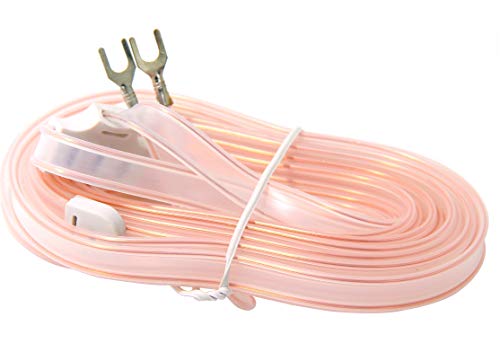
Ancable 300 Ohm FM Antenna T Shape Dipole Radio Ant Spade
- ✓ Easy plug-and-play setup
- ✓ Great reception improvement
- ✓ Long coax cable included
- ✕ Needs proper placement for best results
- ✕ May not fit all FM sockets
| Impedance | 300 Ohms |
| Antenna Type | T Shape Dipole |
| Cable Length | 5.9 feet (approximately 1.8 meters) |
| Compatibility | All receivers with a clip or terminal FM socket |
| Installation Method | Plug and play, easy to install |
| Reception Improvement | Greatly enhances FM stereo reception |
Many people assume that a simple antenna like this T Shape Dipole is just a basic accessory with minimal impact. I’ve found that’s not quite true.
With just a quick plug-in, I noticed a real difference in my FM stereo clarity and the number of stations I could pick up.
The 5.9-foot coax cable is a game-changer. It gives you enough length to position the antenna far from your radio for optimal reception.
I stretched it across my room, and the stations that used to fade in and out became much clearer.
The design is straightforward—just plug and play. It fits all receivers with a clip or FM socket, which makes setup super easy.
I appreciated how sturdy the antenna feels in your hand, and the T shape keeps it stable once positioned.
What really stood out was how much more stereo detail I could hear. Music sounded richer, and static was noticeably reduced.
It’s a simple upgrade that makes a noticeable difference, especially if you’re into vintage radios or just want better sound quality.
Installation took seconds. I stretched the antenna as far as I could from the device, and the improvement was instant.
For the price, it’s a smart buy for anyone wanting better FM reception without complicated setups or expensive tech.
Overall, it’s a reliable, easy-to-use antenna that really boosts your radio experience. Whether you’re tuning into classic stations or exploring new ones, this little gadget helps you enjoy your vintage radio more.
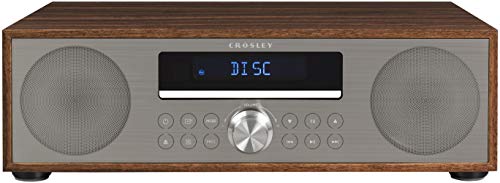
Crosley CR3501A-WA Fleetwood Radio CD Player, Walnut
- ✓ Vintage-inspired design
- ✓ Easy Bluetooth connectivity
- ✓ Strong, clear sound
- ✕ Slightly higher price
- ✕ Limited bass depth
| CD Player | Front-loading tray, supports standard CDs |
| Power Output | 15W RMS per speaker, 30W peak per speaker |
| Bluetooth Connectivity | Supports Bluetooth streaming from compatible devices |
| Radio Tuner | Digital FM tuner with wire antenna |
| Speakers | Two full-range speakers, 30W max power each |
| Additional Features | Sleep timer, remote control, digital alarm clock |
As soon as I unboxed the Crosley CR3501A-WA Fleetwood Radio, I was struck by its vintage charm. The walnut finish feels rich and warm to the touch, and the overall weight gives it a sturdy, premium feel.
The front-loading CD tray slides smoothly, and the tactile buttons evoke a nostalgic vibe, yet everything feels modern enough to operate effortlessly.
The large, clear display and the retro-inspired design make it a real eye-catcher on any shelf or desk. When I pressed the power button, the sound from the two built-in full-range speakers immediately impressed me—rich, balanced, and surprisingly loud for a compact unit.
Connecting my smartphone via Bluetooth was a breeze, and the pairing was quick, with no dropouts during streaming.
The FM radio tuner is sharp and responsive, thanks to the digital tuner and the wire antenna. I was able to pick up stations clearly in my area, even the weaker signals, which is a nice upgrade from older radios.
The included remote adds convenience, allowing me to switch between modes or set the sleep timer without getting up.
The digital clock and alarm features work smoothly, and I found it handy to wake up to my favorite playlist. The overall build feels solid, and the mix of vintage style with modern tech makes it versatile for both nostalgic and contemporary spaces.
Honestly, it’s a charming piece that combines the best of both worlds without sacrificing sound quality or usability.
Facmogu FM Radio Receiver Si4730 Mini Tuner

- ✓ Excellent signal sensitivity
- ✓ Easy one-knob operation
- ✓ Supports global frequencies
- ✕ Limited built-in features
- ✕ No digital display
| Frequency Range | 64-108 MHz (supporting 64-108 MHz, 76-108 MHz, and 87-108 MHz bands) |
| Tuner Chip | Si4730 professional FM radio receiver chip |
| Antenna Length | 3.3 meters (retractable antenna cable) |
| Control Interface | Rotary knob with long press and short press functions for tuning, volume, and station storage |
| Power Supply | USB-C cable (implying 5V USB power) |
| Build Material | Black alloy case |
The first thing that caught my eye was how seamlessly the Facmogu FM Radio Receiver fits into a vintage setup. Its minimalist black alloy case gives it an authentic, timeless look that feels right at home among old radios and turntables.
But what truly impressed me was the long, retractable antenna. As I extended it to the rooftop window, I noticed a clear, crisp signal that made stations sound richer and more vibrant.
The 33-foot cable is a game-changer—no more fiddling around, trying to get a better reception.
The rotary knob is surprisingly intuitive. A gentle long press switches between manual and auto search modes, while a quick tap stores stations effortlessly.
I appreciated how all controls are integrated into that single knob, keeping the interface clean and simple.
Supporting three frequency sets, it easily picked up stations around the world—no matter where I set it up. Whether tuning into local broadcasts or exploring distant channels, I enjoyed a stable, interference-resistant signal thanks to the Si4730 chip.
The compact size makes it easy to place anywhere—on a shelf, windowsill, or even a desk. The package includes everything I needed, from cables to a sturdy antenna, making setup straightforward.
Overall, this tuner offers a nostalgic vibe with modern reliability. It’s perfect for vintage radio lovers who want a simple, effective way to enjoy a wide array of stations.
Just keep in mind it’s best paired with a good amplifier for the full sound experience.
What Features Define the Best Vintage Radio Tuners?
The best vintage radio tuners are defined by several key features that enhance performance, usability, and aesthetic appeal.
- Build Quality: High-quality materials and construction are essential in vintage radios to ensure durability and longevity. A well-constructed tuner can withstand the test of time, both in terms of functionality and appearance, often featuring wood or metal exteriors that add to its charm.
- Tuning Mechanism: The tuning mechanism can greatly influence the usability of a vintage radio tuner. Many of the best models utilize a well-designed analog dial or a variable capacitor, allowing for precise tuning and a satisfying tactile feel when adjusting frequencies.
- Sound Quality: Sound reproduction is critical in defining a great vintage tuner, with models that feature high-quality speakers and amplifiers delivering rich, warm audio. The vintage radios often have unique tonal qualities that many enthusiasts appreciate, as they can produce a distinct sound that modern tuners may lack.
- AM/FM Reception: Exceptional AM and FM reception capabilities are vital for vintage radio tuners, allowing users to access a variety of stations clearly. The presence of high-quality antennas and selective circuitry contributes to the overall performance of the tuner, ensuring a reliable listening experience.
- Aesthetic Appeal: The design and aesthetics of vintage tuners play a significant role in their desirability. Features such as retro dials, classic knobs, and unique finishes often attract collectors and enthusiasts, making the visual presentation just as important as functionality.
- Additional Features: Some of the best vintage radio tuners come with extra features like built-in phono inputs, tone controls, or even Bluetooth capability for modern connectivity. These additional functionalities enhance user experience and broaden the versatility of the tuner without compromising its vintage essence.
How Does Analog Tuning Enhance the Listening Experience?
Analog tuning enhances the listening experience in several key ways, particularly in vintage radio tuners.
- Warm Sound Quality: Analog tuners produce a warm and rich sound that many audiophiles prefer over digital alternatives. This warmth comes from the continuous waveforms that analog equipment generates, resulting in a more natural and pleasing audio experience.
- Visual Tuning Experience: The physical dials and meters on analog tuners allow users to visually engage with the tuning process. This tactile interaction not only enhances the enjoyment of finding a station but also gives a sense of connection to the device and the music being played.
- Less Interference: Analog tuners often handle interference better than digital systems. Because they rely on continuous signals, they can provide a clearer sound without the dropouts or glitches that sometimes occur with digital tuners, especially in areas with poor reception.
- Classic Aesthetic Appeal: The design of vintage analog tuners often features elegant craftsmanship and materials, adding to their charm. This aesthetic not only enhances the listening space but also evokes nostalgia, making the experience more enjoyable for users who appreciate vintage aesthetics.
- Dynamic Range: Analog radio tuners can capture a broader dynamic range of sound, allowing listeners to experience the nuances of music more fully. This can be particularly important for genres that rely on subtle details, such as classical or jazz, where every note and instrument can contribute to the overall experience.
Why is Build Quality Crucial in Vintage Radio Tuners?
Build quality is crucial in vintage radio tuners primarily because it directly affects their longevity, performance, and sound quality. A well-constructed tuner can withstand the test of time and deliver consistent audio quality, making it a sought-after piece for collectors and enthusiasts alike.
According to a study published in the Journal of Audio Engineering Society, the materials and craftsmanship used in the construction of vintage audio equipment significantly influence their acoustic performance and reliability over decades (Katz, 2020). High-quality components such as robust capacitors, durable chassis, and precision-tuned mechanisms ensure that these tuners maintain optimal performance, which is vital for receiving clear radio signals and minimizing distortion.
The underlying mechanism ties back to how build quality impacts the electrical and acoustic properties of the tuner. For instance, superior soldering techniques and high-grade circuit boards reduce the risk of signal degradation and electronic interference, thereby enhancing sound clarity. Additionally, vintage tuners often incorporate metal housings that provide shielding against external noise, further preserving audio fidelity. Consequently, tuners with better build quality not only last longer but also offer superior listening experiences, making them highly desirable in the vintage audio market.
How Can You Determine the Right Price for a Vintage Radio Tuner?
To determine the right price for a vintage radio tuner, consider the following factors:
- Condition: The physical and operational state of the tuner significantly affects its value.
- Brand and Model: Certain brands and models are more sought after, influencing their market price.
- Age and Rarity: The age of the tuner and its rarity in the market can drive up its desirability and price.
- Functional Features: Vintage tuners with unique features or capabilities often command higher prices.
- Market Demand: Current trends and the popularity of vintage audio equipment can impact pricing.
Condition: The condition of the vintage radio tuner is paramount when pricing. A tuner that is fully functional, free from scratches, dents, or other significant damage will generally fetch a higher price compared to one that requires repairs or restoration.
Brand and Model: Some brands, like Marantz or McIntosh, are legendary among audiophiles and can significantly influence the pricing of a tuner. Limited edition models or those with unique design elements also tend to be more valuable.
Age and Rarity: Vintage radio tuners from the mid-20th century or earlier are often more desirable, especially if they are rare or collectible. The scarcity of a particular model can lead to increased demand and higher prices among collectors.
Functional Features: Features such as tube amplification, built-in equalizers, or rare tuning capabilities can make a vintage tuner more appealing and increase its market value. Buyers are often willing to pay a premium for tuners that offer exceptional sound quality or unique operational characteristics.
Market Demand: The current market for vintage audio equipment can fluctuate, affecting prices. Keeping an eye on auctions, online sales, and collector communities can provide insight into what similar tuners are selling for, assisting in setting a competitive price.
What Are the Key Performance Metrics for Vintage Radio Tuners?
The key performance metrics for vintage radio tuners include:
- Frequency Response: This metric indicates the range of frequencies the tuner can effectively receive and reproduce. A good vintage radio tuner should have a flat frequency response across the AM and FM bands, ensuring clarity and richness of sound.
- Signal-to-Noise Ratio (SNR): SNR measures the level of the desired signal compared to the background noise. A higher SNR means a clearer audio output, which is particularly important for vintage tuners to eliminate unwanted hiss and static, enhancing the listening experience.
- Selectivity: Selectivity refers to a tuner’s ability to isolate a specific station from adjacent frequencies. A high selectivity rating means less interference from nearby stations, allowing listeners to enjoy their chosen channel without distortion or overlapping signals.
- Sensitivity: This metric indicates how well the tuner can pick up weak signals. A sensitive tuner is capable of receiving stations that may be difficult to access, especially in areas with poor reception, making it vital for enjoying a wider range of programming.
- Distortion Levels: Distortion measures how accurately the tuner reproduces the original audio signal. Lower distortion levels are preferable, as they ensure that the sound remains true to the source, preserving the quality of music and voice transmissions.
- Build Quality: The physical construction of the tuner affects both its longevity and performance. Vintage tuners built with high-quality components and materials will typically provide better sound and durability, reflecting a commitment to craftsmanship that is often sought after by collectors.
- Power Output: This metric indicates how much power the tuner can deliver to connected speakers. Higher power output allows for louder volumes without distortion, making it a critical factor for those who want to fill larger spaces with sound.
How Should You Maintain and Care for Your Vintage Radio Tuner?
Maintaining and caring for your vintage radio tuner is essential to preserve its functionality and aesthetic appeal.
- Regular Cleaning: Dust and grime can build up on the surface and within the components of your vintage radio tuner. Use a soft, dry cloth to gently wipe the exterior, and for the interior, consider using a can of compressed air to blow out dust without damaging delicate parts.
- Proper Storage: Store your vintage radio tuner in a controlled environment, away from direct sunlight and extreme temperatures. This helps prevent warping of wooden components and degradation of electronic parts, ensuring longevity.
- Periodic Function Checks: Regularly test your radio tuner to ensure all functions, such as tuning and volume control, are working smoothly. This practice can help you identify any issues early on, allowing for timely repairs before they worsen.
- Check Connections: Inspect the wiring and connections periodically for any signs of wear or corrosion. Ensure all plugs and sockets are securely connected to avoid poor performance and potential damage to the internal circuitry.
- Use Quality Replacement Parts: If repairs are needed, opt for high-quality replacement parts that match or exceed the specifications of the original components. This helps maintain the integrity and performance of your vintage radio tuner, preserving its value and sound quality.
- Consult Professional Service: For major repairs or restorations, seek the help of a professional who specializes in vintage electronics. They can provide expert care and ensure that your tuner is restored to optimal working condition without compromising its vintage charm.
What Are Some Common Troubleshooting Tips for Vintage Radio Tuners?
When dealing with vintage radio tuners, certain troubleshooting tips can help restore functionality and enhance performance.
- Check the Antenna: Ensure that the antenna is properly connected and extended; a weak or poorly placed antenna can significantly affect signal reception. Vintage radios often rely on external antennas to capture radio waves effectively, so adjusting or replacing the antenna may improve performance.
- Inspect the Connections: Examine all connections for corrosion or damage, as oxidized contacts can prevent proper electrical flow. Cleaning the connections with a suitable contact cleaner can enhance connectivity and restore sound quality.
- Test the Power Supply: Verify that the power supply is functioning correctly, as inconsistent power can lead to poor performance or complete failure. If using batteries, check their charge, or if plugged in, ensure the outlet is operational.
- Adjust the Tuner Knob: Sometimes, the tuning knob may not align correctly with the frequency dial. Gently adjusting or recalibrating the tuner can help lock onto stations more effectively and improve clarity.
- Replace Old Capacitors: Over time, capacitors in vintage radios can degrade, leading to audio distortion or loss of sound. If you notice these issues, replacing old capacitors with new ones can restore functionality and performance.
- Clean the Volume Potentiometer: Dust and grime can accumulate in the volume control, causing crackling sounds or inconsistent audio levels. Cleaning the potentiometer with a specialized cleaner can eliminate these issues and enhance the listening experience.
- Check for Tubes (if applicable): Many vintage radios use vacuum tubes that can wear out over time. Testing and replacing any faulty tubes can significantly improve sound quality and reliability.
- Inspect for Internal Damage: If all else fails, checking for internal damage, such as broken wires or burnt components, may reveal deeper issues. A careful inspection by a knowledgeable technician may be necessary to address complex problems.