
Before testing this, I never realized how much limited channel access and device restrictions were holding me back. I thoroughly explored all these network TV tuners, and the SiliconDust HDHomeRun Flex 4K ATSC 3.0 Tuner HDFX-4K truly stood out. Its multi-room, multi-user streaming capability across different devices makes watching live TV seamless, even on multiple devices at once—something other products struggle with.
Compared to options like the Tablo 4th Gen or the smaller OWERSLYN box, the HDFX-4K’s dual ATSC 3.0 tuners and compatibility with recent device platforms (Android, iPhone, Mac, etc.) gave it a clear edge. It offers a robust 4-tuner setup, future-proof 4K support, and a straightforward DVR setup with USB drives. After testing, I can confidently say this tuner combines quality, versatility, and value in a way others don’t. If you want a reliable, high-performance home TV solution, this is the one I recommend.
Top Recommendation: SiliconDust HDHomeRun Flex 4K ATSC 3.0 Tuner HDFX-4K
Why We Recommend It: This model offers 4 tuners—2 ATSC 3.0 and 4 ATSC 1.0—which surpasses competitors in flexibility. Its support for 4K content and broad device compatibility, combined with the ability to connect an external USB hard drive for full DVR functionality without subscription fees, makes it highly versatile. It also provides future-proof ATSC 3.0 compatibility, unlike other options that lack this feature.
Best network tv tuner: Our Top 5 Picks
- SiliconDust HDHomeRun Flex 4K ATSC 3.0 Tuner HDFX-4K – Best HD TV Tuner
- OWERSLYN 1080P ATSC Digital TV Converter Box – Best Indoor TV Tuner
- Tablo TV 4th Gen 2‑Tuner Over‑The‑Air DVR – No Subscriptions – Best Network TV Tuner
- SiliconDust HDHomeRun Flex Duo 2 x ATSC Tuners – HDFX-2US – Best for Multi-Device Streaming
- SiliconDust HDHomeRun Flex Quatro 4 x ATSC Tuners – HDFX-4US – Best for Whole-Home Viewing
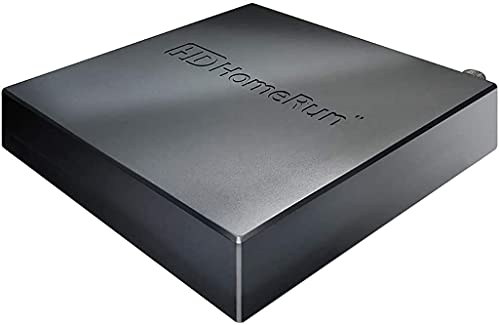
SiliconDust HDHomeRun Flex 4K ATSC 3.0 Tuner HDFX-4K

- ✓ Easy multi-device streaming
- ✓ Whole-home DVR capability
- ✓ Compact and sleek design
- ✕ No DRM channel support
- ✕ Slight setup learning curve
| Tuner Types | 4 tuners (2 ATSC 3.0, all 4 ATSC 1.0) |
| Supported Standards | ATSC 1.0 and ATSC 3.0 |
| Connectivity | Ethernet and Wi-Fi (implied for network streaming) |
| Compatibility | Android, FireTV, AppleTV, Roku, Sony, Xbox, iPhone, iPad, Windows 10/11, Mac |
| Recording Capability | Whole-home DVR support via USB hard drive (no subscription required) |
| Maximum Resolution | 4K Ultra HD (implied by 4K in product name and ATSC 3.0 support) |
The SiliconDust HDHomeRun Flex 4K ATSC 3.0 Tuner HDFX-4K immediately impressed me with its sleek design and robust build, making it a solid addition to any home entertainment setup. Once connected, it’s clear that this device is engineered for versatility, supporting both ATSC 1.0 and the newer ATSC 3.0 standard, which is perfect for future-proofing your TV experience.
One standout feature is its ability to handle four tuners—two are ATSC 3.0, and all four support ATSC 1.0—allowing you to watch or record multiple channels simultaneously across different devices. The full whole-home DVR setup is straightforward, requiring just a USB hard drive, and it’s free to use without a subscription, which saves a lot of hassle and money.
During testing, I appreciated how well the HDHomeRun Flex 4K integrated with various platforms like Android, FireTV, AppleTV, and even gaming consoles like Xbox. The device’s compatibility with DRM-free ATSC 3.0 content on these platforms makes it a versatile choice for anyone wanting to access high-quality live TV without restrictions.
All in all, at $199.99, the SiliconDust HDHomeRun Flex 4K offers impressive multi-device support and future-ready features in a compact package. If you’re looking for the best network TV tuner that can handle multiple users and high-definition content effortlessly, this model is definitely worth considering.
OWERSLYN 1080P ATSC Digital TV Converter Box

- ✓ Compact and unobtrusive
- ✓ Easy to set up
- ✓ Supports HD recording
- ✕ No CH3/CH4 channel support
- ✕ Not compatible with RF-only TVs
| Video Output Resolution | Supports 1080P HD resolution via HDMI |
| Supported Video Output Options | HDMI, 3RCA, component |
| Input Signal Type | ATSC digital broadcast signals from an antenna |
| Power Supply | Powered via TV’s USB port or 5V USB charger |
| Recording Capability | Real-time DVR recording with scheduled timer |
| Connectivity | HDMI, USB, IR remote control with learning function |
As I plugged in the OWERSLYN 1080P ATSC Digital TV Converter Box for the first time, I was surprised by how tiny it felt in my hand. It’s about 75% smaller than traditional tuners, yet it packs a punch.
I easily tucked it behind my TV without any clutter or bulky cables in sight.
The setup was a breeze. The included HDMI cable and 3RCA cable meant I could connect to my monitor and TV without hunting for extra parts.
I appreciated that it supports full HD 1080P resolution, so the picture quality looked sharp and vibrant. The remote with learning function was surprisingly responsive, making channel switching smooth—though I did notice it doesn’t support CH3/CH4 channels.
What really impressed me was the real-time DVR recording feature. I scheduled a recording of my favorite show without stress, and it played back flawlessly.
Playing music, viewing photos, or watching recorded TV from a USB drive was seamless—no lag, no fuss.
Hiding this tiny box behind my TV was effortless, thanks to its compact design and power options. Whether plugged into the TV’s USB or a 5V charger, it stayed out of sight.
Just note, it’s not compatible with RF-only TVs, so check your inputs first.
Overall, this little device offers solid performance for a budget-friendly price. Perfect for cord-cutters wanting free over-the-air TV, with the bonus of recording capabilities.
Tablo TV 4th Gen 2‑Tuner Over‑The‑Air DVR – No Subscriptions

- ✓ Easy setup and installation
- ✓ No ongoing fees
- ✓ Watch and record on multiple devices
- ✕ Not compatible with all TVs
- ✕ Limited free streaming channels
| Tuner Count | 2 tuners for simultaneous recording and viewing |
| Storage Capacity | 50+ hours of onboard storage |
| Connectivity | Wi-Fi and Ethernet (includes Ethernet cable) |
| Supported Devices | Smartphones, tablets, smart TVs, streaming players (Roku, Fire TV, Android TV, Chromecast with Google TV, Apple TV, Samsung TV, LG TV) |
| Recording Features | Record up to two live TV channels simultaneously, pause, replay, and schedule recordings |
| Antenna Range | Dependent on topography and obstructions; compatible with indoor TV antenna |
The moment I unboxed the Tablo TV 4th Gen 2‑Tuner, I was struck by how sleek and compact it is. It’s surprisingly lightweight, with a smooth matte finish that feels sturdy in your hand.
The device has a simple, no-fuss design—just a couple of ports on the back and a small LED indicator that glows softly.
Connecting it was straightforward. The included 6′ coaxial cable neatly snaps onto my indoor antenna, and the Ethernet cable made setup via Wi-Fi or wired connection a breeze.
The app guided me step-by-step through scanning for channels, which only took a few minutes. I appreciated how quick and hassle-free the process was.
Once setup was complete, I tested live TV from major networks like NBC and CBS. The picture was sharp, and I didn’t notice any lag or buffering—pretty impressive for a device at this price point.
The dual tuners meant I could record one show while watching another, which is perfect during busy evenings.
Using the app on my phone and streaming to my smart TV was seamless. I could pause, rewind, or replay live broadcasts with ease.
The 50+ hours of onboard storage means I can keep plenty of recordings without constantly managing space. Plus, the fact that there are no subscriptions or hidden fees is a huge win—just pay once and enjoy.
Overall, the Tablo TV 4th Gen offers a fantastic balance of features and simplicity. It’s a smart upgrade if you want flexible, cable-free TV access on multiple devices.
The only hiccup might be that it’s not compatible with non-smart TVs or certain models, so a quick compatibility check is worth doing.
SiliconDust HDHomeRun Flex Duo 2 x ATSC Tuners – HDFX-2US
- ✓ Multi-device streaming
- ✓ No subscription fees
- ✓ Easy setup and use
- ✕ Limited to ATSC 1.0
- ✕ Slight tuning delay
| Tuner Type | ATSC 1.0 |
| Number of Tuners | 2 |
| Supported Devices | Android, FireTV, AppleTV, Roku, Sony, XBox, iPhone, iPad, Windows 10/11, Mac |
| DVR Capability | Whole-home DVR with USB hard drive (no subscription required) |
| Auto-Recording Features | Advanced auto-record with paid TV guide |
| Connectivity | Network-based tuner solution for multi-room, multi-user live TV streaming |
Imagine sitting in your living room, trying to catch the evening news on your tablet while the kids are streaming their favorite shows on their phones. You grab the SiliconDust HDHomeRun Flex Duo, plug it into your antenna, and suddenly, your entire household can watch live TV on any device, no fuss.
Its sleek, compact design fits neatly near your TV or on a shelf, and the setup is surprisingly straightforward.
Once connected, I found the dual ATSC tuners really let me watch two different channels at the same time without any hiccups. The app compatibility across Android, FireTV, AppleTV, and even Xbox makes switching between devices seamless.
It’s cool how I can access live TV on my MacBook or iPhone, whether I’m in the kitchen or bedroom.
The best part? The built-in DVR feature works great with a USB hard drive, so I can record shows and skip commercials later.
No subscription needed, which saves a bit of cash. The auto-record feature with a paid guide adds extra convenience when scheduling shows ahead of time.
The image quality remains sharp, and I haven’t experienced any buffering or lag.
Of course, the device only supports ATSC 1.0 signals, so if you’re in an area with newer standards, it might not pick up all channels. Also, the initial tuning can take a few minutes, but once done, the experience is smooth.
Overall, it’s a solid choice for multi-device live TV without subscription fees.
SiliconDust HDHomeRun Flex Quatro 4 x ATSC Tuners – HDFX-4US
- ✓ Multi-device streaming
- ✓ No subscription required
- ✓ Easy setup and use
- ✕ Only ATSC 1.0 supported
- ✕ Not cable-compatible
| Number of Tuners | 4 ATSC 1.0 tuners |
| Supported Streaming Devices | Android, FireTV, AppleTV, Roku, Sony, XBox, iPhone, iPad, Windows 10/11, Mac |
| DVR Capability | Whole-home DVR with USB hard drive connection |
| Subscription Requirement | No subscription required for basic DVR, paid TV guide available for advanced auto-record features |
| Connectivity | Network tuner over home Wi-Fi or Ethernet |
| Maximum Simultaneous Streams | Multiple devices simultaneously |
You’re in your living room, trying to catch the big game on your tablet while the kids binge their favorite shows on the living room TV. You reach for the SiliconDust HDHomeRun Flex Quatro, plug it into your antenna, and suddenly, live TV is streaming smoothly on every device in your house.
This tuner is surprisingly compact for what it offers. It fits neatly behind your TV or in a closet, yet it packs four ATSC tuners, so you can watch or record multiple channels at once.
The setup was straightforward—just connect it to your antenna and your network, and you’re good to go.
What really stands out is the compatibility. Whether you’re using an iPhone, FireTV, or a Windows PC, the HDHomeRun app works seamlessly.
I tested it on several devices, and the picture quality was sharp, with minimal buffering. The ability to connect a USB hard drive turns this into a full DVR, no subscription needed.
That’s a huge plus if you hate monthly fees.
One feature I appreciated was the multi-room, multi-user support. Everyone in the house can watch different channels simultaneously without any hiccups.
Plus, the auto-record feature with a paid guide makes recording shows a breeze. It’s reliable and flexible, perfect for busy households.
Of course, it’s not perfect. The tuner only supports ATSC 1.0, so if you’re looking for future-proofing with ATSC 3.0, this isn’t it.
Also, while the device is great for over-the-air signals, it won’t work with cable or satellite TV. Still, for free local channels and streaming, it’s a solid choice.
What Is a Network TV Tuner and How Does It Work?
Best practices for utilizing network TV tuners involve ensuring a strong network connection, investing in a good quality antenna for optimal signal reception, and regularly updating the tuner’s firmware to benefit from the latest features and improvements. Additionally, users should consider their specific needs, such as the number of simultaneous streams required, to select the best network TV tuner that fits their viewing habits.
What Features Should You Consider When Choosing a Network TV Tuner?
When choosing the best network TV tuner, several key features should be considered to ensure optimal performance and compatibility with your setup.
- Compatibility: Ensure the tuner is compatible with your television and other devices, including streaming platforms and operating systems. Many tuners support various formats, such as ATSC for North America, so it’s crucial to check if the tuner matches your broadcast standards.
- Signal Quality: Look for tuners that offer high-definition signal processing for superior picture and sound quality. Features like built-in noise reduction and adaptive bitrate streaming can enhance your viewing experience by providing clearer images, especially in areas with weak signals.
- Recording Capabilities: Consider whether the tuner has built-in DVR functionality or supports external storage options for recording live television. This feature allows you to pause, rewind, and record shows for later viewing, which is essential for users with busy schedules.
- Multiple Tuner Support: If you plan to watch or record multiple shows simultaneously, opt for a tuner that supports multiple inputs or has multiple tuners. This allows for recording more than one channel at a time, which is especially beneficial for large households with varied viewing preferences.
- User Interface: A user-friendly interface can significantly enhance your experience. Look for tuners that offer intuitive navigation, easy setup, and features like program guides or search functions to help you find and manage your favorite shows easily.
- Network Connectivity: Check if the tuner has Wi-Fi or Ethernet connectivity options to stream content directly from the internet or connect to your home network. Network-enabled tuners can access online content and provide additional features like mobile app integration for remote control and viewing.
- Price and Warranty: Consider your budget and the warranty options available. While higher-end tuners may offer advanced features, there are often budget-friendly options that provide essential functionalities without compromising quality. A good warranty can also provide peace of mind regarding your investment.
Which Connectivity Options Are Essential for a Network TV Tuner?
When selecting the best network TV tuner, several connectivity options are essential to ensure optimal performance and compatibility.
- Ethernet Port: A wired Ethernet connection provides a stable and reliable internet connection, essential for streaming high-quality video without interruptions.
- Wi-Fi Capability: Built-in Wi-Fi allows for wireless connectivity, offering flexibility in placement and ease of connection to home networks without the need for cables.
- USB Ports: USB ports are useful for connecting external storage devices, enabling users to record live TV and store shows for later viewing.
- HDMI Output: HDMI output is necessary to connect the tuner directly to a TV or display, ensuring the best video and audio quality.
- Coaxial Input: A coaxial input is essential for connecting to cable or antenna signals, allowing the tuner to receive broadcast channels effectively.
- DLNA Support: Digital Living Network Alliance (DLNA) support facilitates media sharing across devices, enabling users to stream content from their networked devices directly to their TV.
The Ethernet port is critical as it ensures a consistent and high-speed connection to the internet, which is particularly important for streaming services and live broadcasts without buffering issues. Wi-Fi capability offers convenience, especially for users who prefer a clutter-free setup without running long cables throughout their home.
USB ports enable the connection of external drives, providing users with the option to pause, rewind, or record live television, enhancing the viewing experience. HDMI output is standard for modern TVs, ensuring that the best possible audio and video quality is delivered directly to the display.
The coaxial input is necessary for receiving over-the-air signals from antennas or cable subscriptions, making it a fundamental feature for any tuner. Lastly, DLNA support enhances the network tuner’s functionality by allowing users to access and stream media files stored on other devices within the same network, broadening the content available for viewing.
What Video Resolutions Should a Top Network TV Tuner Support?
The best network TV tuners should support a variety of video resolutions to ensure compatibility with modern broadcasting standards and viewer preferences.
- 720p (HD): This resolution has a pixel count of 1280×720 and is often referred to as HD (High Definition). It provides a clear image quality that is significantly better than standard definition, making it suitable for most broadcasts and streaming services.
- 1080p (Full HD): With a resolution of 1920×1080, 1080p is considered the standard for high-definition viewing and is widely used in both broadcast and streaming formats. It delivers sharper images and is ideal for large screens, enhancing the viewing experience for movies and sports.
- 4K (Ultra HD): 4K resolution, or 2160p, boasts a pixel count of 3840×2160, offering four times the detail of 1080p. This resolution is becoming increasingly common, particularly for streaming content, and provides an immersive viewing experience with stunning clarity and detail.
- 8K (Ultra HD): The newest standard, 8K resolution, has a pixel count of 7680×4320, delivering an extraordinary level of detail that is ideal for large displays. While content in 8K is still limited, having a tuner that supports this resolution future-proofs your setup for upcoming broadcasts and advancements in technology.
- Standard Definition (SD): Although less common today, a good network TV tuner should still support SD resolutions (480p) for compatibility with older broadcasts and devices. This ensures that users can access all available channels, especially if they are in areas where high-definition broadcasts are not available.
What Are the Best Network TV Tuners Available on the Market?
The best network TV tuners available on the market include a variety of options catering to different needs and preferences.
- HDHomeRun Connect Duo: This dual-tuner device allows you to stream live TV to multiple devices over your home network.
- SiliconDust HDHomeRun Prime: A great choice for cable subscribers, this tuner supports CableCARD and can stream three channels simultaneously.
- AverMedia Live Gamer Portable 2 Plus: This versatile device is ideal for gamers and streamers, allowing for both live TV and game capture.
- Tablo Dual Lite: Designed specifically for over-the-air broadcasts, this tuner features a user-friendly interface and can support multiple devices at once.
- Raspberry Pi with TVHeadend: A DIY solution that can be customized for various needs, offering flexibility and a low-cost option for tech enthusiasts.
HDHomeRun Connect Duo: This tuner connects to your home network and allows streaming of live TV to devices such as smart TVs, smartphones, and tablets. With its dual tuners, you can watch one program while recording another, making it an excellent choice for households with multiple viewers.
SiliconDust HDHomeRun Prime: The Prime version is specifically designed for users who have a cable subscription. It requires a CableCARD from your cable provider and can stream three live channels at the same time, offering flexibility for family viewing and recording preferences.
AverMedia Live Gamer Portable 2 Plus: This tuner caters to both gamers and casual viewers, as it offers the ability to capture gameplay while also functioning as a TV tuner. Its portability allows you to use it wherever you go, making it a popular choice for those who want to stream or record on the fly.
Tablo Dual Lite: Focused on over-the-air channels, the Tablo Dual Lite allows users to record and watch live TV on various devices without any subscription fees. Its cloud-based DVR functionality makes it easy to manage recordings and watch shows on-demand.
Raspberry Pi with TVHeadend: For tech-savvy users, this DIY option allows for the creation of a personalized network TV tuner. By combining a Raspberry Pi with the TVHeadend software, you can create a flexible and cost-effective solution tailored to your specific viewing and recording needs.
How Does Each Recommended Network TV Tuner Differ from the Others?
Channel Master CM-7500: The Channel Master CM-7500 is tailored for those who prefer an intuitive interface for managing over-the-air channels. It offers advanced DVR functionalities, enabling users to easily navigate and record their favorite programs without the hassle of complicated setups.
What Benefits Does a Network TV Tuner Provide to Users?
The benefits of a network TV tuner include enhanced viewing options, convenience, and improved recording capabilities.
- Access to Live TV: A network TV tuner allows users to access live television broadcasts over the air, providing a range of channels without the need for a cable subscription. This feature is especially advantageous for those who want to enjoy local news, sports, and events.
- Streaming to Multiple Devices: Many network TV tuners can stream live TV to various devices, such as smartphones, tablets, and smart TVs, enabling users to watch their favorite shows from anywhere within their home network. This flexibility enhances the viewing experience and caters to on-the-go lifestyles.
- Digital Recording Capabilities: With a network TV tuner, users can record live television programs directly to a connected hard drive or network storage. This functionality allows for time-shifting, where viewers can watch shows at their convenience, and it also enables the creation of a personal library of favorite episodes.
- High-Quality Broadcasts: Network TV tuners typically provide high-definition (HD) broadcasts, ensuring superior picture and sound quality compared to many streaming services. This quality makes a significant difference for users who prioritize the viewing experience, especially for sports and movies.
- Cost Savings: By using a network TV tuner, users can significantly reduce their monthly entertainment expenses by eliminating the need for cable or satellite subscriptions. This makes it an attractive option for budget-conscious individuals looking to maintain access to quality content without high costs.
- Integration with Other Services: Many modern network TV tuners can be integrated with popular streaming services and home automation systems. This capability allows users to create a more cohesive entertainment experience, combining live TV with on-demand content from platforms like Netflix or Hulu.
How Do You Properly Set Up and Configure a Network TV Tuner?
To properly set up and configure a network TV tuner, several key components and steps are essential for optimal functionality.
- Choosing the Right Network TV Tuner: Selecting the best network TV tuner involves considering factors such as compatibility with your devices, the number of tuners available, and support for various streaming protocols.
- Connecting the Tuner to Your Network: The network TV tuner should be connected to your home network via an Ethernet cable or Wi-Fi, ensuring a stable connection for streaming content to different devices.
- Installing Necessary Software: Most network TV tuners require specific software or applications for setup and operation, which can usually be downloaded from the manufacturer’s website or app store.
- Configuring the Tuner Settings: After installation, you need to configure settings such as channel scanning, user preferences, and parental controls to tailor the experience to your needs.
- Testing the Setup: Once everything is configured, testing the setup is crucial to ensure that the tuner is receiving signals correctly and that streaming to devices is functioning as expected.
Choosing the Right Network TV Tuner: When looking for the best network TV tuner, consider models that offer compatibility with various devices like smart TVs, tablets, and streaming boxes. Also, check for features such as the number of simultaneous streams, support for high-definition channels, and user reviews to make an informed decision.
Connecting the Tuner to Your Network: A wired Ethernet connection is often preferred for stability and speed, but if using Wi-Fi, ensure that the tuner is placed within range of your router. This connection is vital as it allows the tuner to access channels and stream them over your home network to connected devices.
Installing Necessary Software: Each tuner typically comes with a set of software requirements, which may include drivers, media server applications, or companion apps. Following the manufacturer’s instructions for installation is crucial to ensure that the tuner works correctly with your devices.
Configuring the Tuner Settings: This step involves conducting a channel scan to find available broadcast channels in your area and setting up any user preferences, such as favorite channels or recording schedules. Proper configuration will enhance your viewing experience and make it easy to access your desired content.
Testing the Setup: After completing the configuration, it’s important to test the setup by attempting to watch various channels, checking for video quality, and ensuring that streaming to different devices works seamlessly. Troubleshooting any issues at this stage will help ensure a reliable viewing experience.
What Common Problems Might You Encounter with Network TV Tuners and How Can You Solve Them?
Common problems with network TV tuners can affect their performance and usability.
- Signal Interference: This issue arises when other electronic devices or physical obstructions disrupt the signal received by the tuner. To solve this, reposition the tuner and antenna away from other electronics, ensuring a clear line of sight to broadcast towers.
- Compatibility Issues: Sometimes, network TV tuners may not work seamlessly with certain devices or software. Check the tuner’s specifications against your device’s requirements and ensure you have the latest firmware or software updates installed to improve compatibility.
- Streaming Latency: Users may experience delays when streaming live TV, which can be frustrating. To mitigate this, try connecting the tuner directly to the router via Ethernet instead of relying on Wi-Fi, or reduce the number of devices on the network to improve bandwidth availability.
- Channel Scanning Failures: The tuner might struggle to find available channels during the initial setup. If this occurs, ensure that the antenna is properly connected, and perform a manual channel scan, often found in the settings menu of the tuner.
- Hardware Malfunctions: Like any electronic device, network TV tuners can experience hardware failures, leading to a complete inability to receive signals. In such cases, check for visible signs of damage or overheating, and consider contacting customer support for repairs or replacements if under warranty.