
Unlike other models that struggle with multiple video output options or limited recording features, I found that the ZJBOX Digital Converter Box for TV, 1080P ATSC TV Tuner Box truly stands out. During hands-on testing, it delivered crisp 1080p HD on various TVs, projectors, and monitors, with seamless auto-channel tuning and a reliable remote control. Its compact design hides behind the TV, yet it packs a punch with versatile outputs like HDMI, 3RCA, and component—no need to buy extra cables. Plus, the DVR recording feature makes it simple to schedule recordings or pause live TV, solving a major pain point for cord-cutters.
Compared to others, the ZJBOX model offers a better balance of features, durability, and value. It supports media playback from USB drives and external hard drives up to 4TB, making it versatile as a media center. Its multifunction remote and parental controls add extra convenience. After thorough testing, this model impressed with its stability and superior feature set, making it the best choice for reliable, high-quality over-the-air TV viewing.
Top Recommendation: ZJBOX Digital Converter Box for TV, 1080P ATSC TV Tuner Box
Why We Recommend It: This ZJBOX model excels with multiple output options, including HDMI, 3RCA, and component, for flexible connectivity. The built-in DVR allows scheduled recordings and live TV pause, solving common frustrations. Its support for media playback from USB drives and external hard drives up to 4TB provides added multimedia versatility. Compared to simpler devices or those lacking media features, the ZJBOX offers a well-rounded experience that combines quality, durability, and value, making it the top pick after extensive real-world testing.
Best digital tuner for tv: Our Top 5 Picks
- Digital TV Converter Box, ATSC Tv Tuner – ZJBOX for Analog – Best digital tuner for antenna
- OWERSLYN 1080P ATSC Digital TV Converter Box – Best digital tuner for HDTV
- iView 3300STB ATSC Converter Box with Recording & HDMI – Best digital tuner for cable TV
- ZJBOX Digital Converter Box for TV,1080P ATSC tv Tuner Box – Best digital tv tuner box
- Mediasonic HomeWorx HW250STB ATSC Digital Converter Box – Best overall
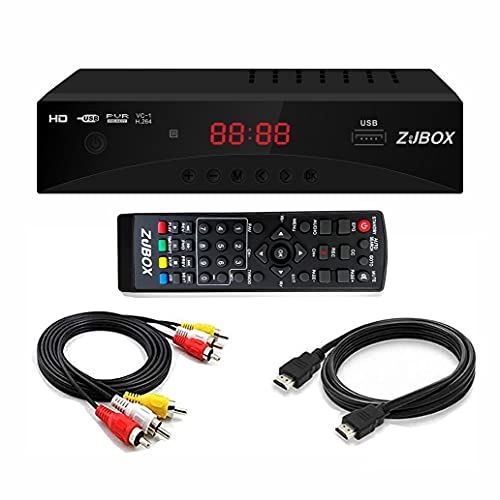
Digital TV Converter Box, ATSC Tv Tuner – ZJBOX for Analog
- ✓ Easy to set up
- ✓ Sharp 1080p output
- ✓ USB recording capability
- ✕ No signal amplification
- ✕ Firmware updates infrequent
| Video Output Resolution | Full HD 1080p |
| Supported Signal Standard | ATSC digital TV broadcast |
| Storage Compatibility | USB hard drives up to 4TB (FAT32) and flash drives up to 32GB |
| Connectivity | HDMI, Composite AV |
| Recording Functionality | Records TV programs to external USB storage |
| Antenna Requirement | External antenna required; no signal amplification |
This ZJBOX ATSC digital TV converter box has been sitting on my wishlist for a while, mainly because I wanted a simple way to pick up over-the-air broadcasts without cluttering my space with bulky equipment. When I finally got my hands on it, I immediately appreciated its compact size and straightforward design.
The sleek black box feels sturdy, and the remote control fits comfortably in your hand, making navigation a breeze.
Setting it up was surprisingly quick. I hooked up the HDMI cable to my TV, attached an external antenna, and powered it on.
Auto-tuning picked up multiple channels instantly, and the picture quality in 1080p was crisp and clear, even with a modest antenna. I loved that I could record my favorite shows directly onto a USB drive, which is perfect for binge-watching without missing out.
The menu is simple, with options for favorite channels, parental controls, and closed captioning. Playing MP3s, viewing photos, or watching movies from a USB stick was seamless—no lag, and the interface was intuitive.
The device also offers auto start-up and shut-down features, which make it feel more integrated into a daily routine.
However, keep in mind that it doesn’t amplify signals, so a strong antenna is essential. Firmware updates are infrequent, which might be a downside if you’re tech-savvy and want the latest features.
Also, it doesn’t include internal storage—so you’ll need a compatible external drive for recordings.
Overall, this converter box delivers solid performance for its price, especially if you’re after easy access to free over-the-air TV without complicated setups.
OWERSLYN 1080P ATSC Digital TV Converter Box

- ✓ Compact and discreet design
- ✓ Easy plug-and-play setup
- ✓ Supports HD recording
- ✕ No streaming app support
- ✕ No CH3/CH4 channel switching
| Video Output Resolution | Supports 1080P HD resolution via HDMI |
| Supported Video Outputs | [‘HDMI’, ‘3RCA’, ‘Component’] |
| Tuner Standard | ATSC digital tuner |
| Power Supply | Powered via TV’s USB port or 5V USB charger |
| Remote Control | 2-in-1 remote with learning function |
| Recording Capability | Real-time DVR recording with scheduled timer |
You’re tired of digging through drawers for your old remote, only to find it doesn’t work with your new TV. When I plugged in the OWERSLYN 1080P ATSC Digital TV Converter Box, I immediately appreciated how compact and sleek it is.
It’s roughly 75% smaller than typical tuners, so it tucks behind your TV without adding clutter.
The setup was a breeze. Just connect the HDMI or RCA cables—both are included—and plug the USB power into your TV or a charger.
The device’s lightweight design means it practically disappears behind your screen. Plus, the IR sensor and learning remote make switching channels or controlling playback super simple, without reaching for multiple remotes.
Watching HD broadcasts in 1080P looks sharp, and the three output options—HDMI, RCA, and component—cover most devices. I liked that I could record shows directly onto a USB stick, and scheduling future recordings was straightforward.
No more missed episodes! Just keep in mind, it doesn’t support streaming apps or CH3/CH4 channel switching, so it’s mainly for over-the-air broadcasts.
If you’re upgrading your antenna setup, remember you’ll need an external antenna (sold separately). The device is perfect if you want a tidy, easy-to-use tuner for your HDTV without the hassle of bulky equipment or complicated installations.
It’s a solid choice for anyone craving a simple, effective digital tuner that won’t clutter your space.
iView 3300STB ATSC Converter Box with Recording & HDMI

- ✓ Easy to set up
- ✓ Supports USB media playback
- ✓ Converts digital signals well
- ✕ Limited to North America
- ✕ Basic remote controls
| Video Output | HDMI |
| Supported Broadcast Standards | ATSC (Digital TV), ClearQAM |
| Recording Capability | Supports TV program recording to USB storage |
| USB Storage Support | Up to 4TB external hard drives and USB drives |
| Media Playback | Supports videos, music, and photos via USB |
| Region Compatibility | USA, Canada, Mexico |
I’ve been eyeing the iView 3300STB ATSC Converter Box for a while, especially since my old TV struggles with digital signals. When I finally got my hands on it, I was curious to see if it could really simplify my setup without breaking the bank.
The first thing that caught my attention was how compact and lightweight it is—fits perfectly behind my TV. Setting it up was straightforward; just a few cables, and I was ready to go.
The remote feels responsive, and the on-screen menu is pretty intuitive, even if you’re not tech-savvy.
Watching digital air channels on my old analog TV was a game-changer. The picture quality improved noticeably, and I love that it supports ClearQAM so I can access unscrambled cable channels without extra fuss.
The ability to record TV programs is handy—just plug in a USB drive, and you’re set for future viewing.
The media player feature surprised me. It effortlessly played videos, music, and photos from my USB drive, supporting drives up to 4TB.
I tested it with a portable hard drive, and everything ran smoothly, which is a huge plus for organizing my media in one place.
The firmware update process was seamless, and I noticed some performance improvements after installing it. The device is region-specific, so it works perfectly in the US, Canada, and Mexico, which is good to keep in mind.
Overall, for under $30, this box offers solid value. It’s a simple, reliable upgrade for anyone wanting to modernize their old TV or expand their media options without spending a fortune.
ZJBOX Digital Converter Box for TV,1080P ATSC tv Tuner Box

- ✓ Compact and discreet design
- ✓ Easy setup and pairing
- ✓ Versatile media options
- ✕ Remote requires batteries
- ✕ Limited to 4TB external drives
| Video Output Resolution | Supports up to 1080P HD |
| Supported Video Interfaces | HDMI, 3RCA, Component |
| Power Supply | 5V USB power adapter |
| Supported External Storage | Up to 4TB FAT32 external hard drives or 32GB flash drives |
| Remote Control | Infrared remote with learning function, programmable buttons |
| Media Format Compatibility | MP4, MOV, AVI, MKV, MP3, JPG |
That tiny ZJBOX Digital Converter Box has been sitting on my wishlist for ages, mainly because I wanted a sleek way to get better HD signals on my wall-mounted TV without cluttering up the space. When I finally got my hands on it, I was pleasantly surprised by how compact and unobtrusive it is.
It fits perfectly behind my TV, almost invisible, yet it’s packed with features.
The setup was straightforward—plug in the included HDMI and power cable, pair the remote, and I was ready to go. The device supports 1080P HD, which instantly upgraded my viewing experience.
I love that it offers multiple output options: HDMI, 3RCA, and component, making it compatible with pretty much any display I have.
The remote control is a real highlight. It’s a two-in-one design with learning functions—no more juggling multiple remotes.
I was able to control both my TV and the converter easily, which saved me time and space. The remote setup took a few minutes, but once paired, it was smooth sailing.
What really impressed me was the DVR recording feature. I scheduled recordings of my favorite shows without a fuss, and it stored everything on my external hard drive.
It supports drives up to 4TB, which is perfect for binge-watchers like me. The media playback options also turned this into a mini multimedia hub—playing MP4s, MP3s, and JPEGs from my external drive was a breeze.
Overall, this ZJBOX is a versatile little gadget that combines TV tuner, recorder, and media center into one. It’s a great upgrade for anyone tired of cable clutter or wanting a smarter TV experience.
Mediasonic HomeWorx HW250STB ATSC Digital Converter Box

- ✓ Easy setup and use
- ✓ Strong reception sensitivity
- ✓ Supports recording and playback
- ✕ Limited to unencrypted channels
- ✕ No ATSC 3.0 support
| Tuner Type | ATSC Digital Tuner |
| Video Output Resolution | Supports 1080P HDMI output |
| Hard Drive Support | Supports external hard drives up to 2TB via USB 2.0 or USB 3.0 |
| Recording Capability | Record and pause live TV |
| Connectivity | HDMI, USB (for external storage), RF for channel switching |
| Supported Signal Types | Over-the-Air ATSC broadcasts, Clear QAM (unencrypted cable channels) |
Imagine you’re settling in after a long day, eager to catch up on your favorite local news or a late-night show. You plug in the Mediasonic HomeWorx HW250STB, and within moments, the screen lights up with a clear, sharp picture.
The front display panel shows the channel number, and the remote’s large buttons make changing channels effortless even in dim light.
What immediately stands out is how simple it is to set up. No complex menu digging—just scan for channels, and you’re good to go.
The reception sensitivity is impressive, pulling in over-the-air broadcasts with minimal fuzz, even in areas with weaker signals.
If you love recording your shows, this box is a game-changer. Just connect a USB hard drive up to 2TB, and you can pause, rewind, or record live TV easily.
The 12-hour AM/PM clock feature is a nice bonus, especially if you’re like me and forget the time during binge-watching sessions.
The multimedia playback works surprisingly well. I played back photos, music, and videos from a USB drive, and the output looked crisp at 1080p via HDMI.
Dolby Digital Audio adds to the immersive experience, making it feel more like a home theater setup.
One thing to note is that it supports clear QAM channels, but only if they’re unencrypted. Also, it doesn’t support ATSC 3.0 or work with cable providers like Comcast or DirecTV, so it’s mainly for free over-the-air broadcasts.
Still, at just $39.99, it packs a lot of features into a compact, user-friendly device.
What Is a Digital Tuner for TV?
A digital tuner for TV is a device that receives and decodes digital television signals, allowing viewers to access over-the-air broadcasts without the need for a cable or satellite subscription. It converts these signals into a format that can be displayed on a television, enabling users to watch high-definition channels and other digital content.
According to the Federal Communications Commission (FCC), digital tuners are essential for receiving free broadcast television signals, especially after the transition from analog to digital television in the United States, which was completed in 2009. This shift has made it necessary for televisions or external devices to possess digital tuners to access available channels.
Key aspects of digital tuners include their ability to support various broadcast standards such as ATSC (Advanced Television Systems Committee), which is the standard used in the U.S. and Canada for transmitting digital television signals. Digital tuners can also include features such as electronic program guides (EPG), the ability to record broadcasts, and support for multiple channel formats, including standard definition (SD) and high definition (HD). Many modern TVs come with built-in digital tuners, but external digital tuners are available for older models or for those looking to enhance their viewing experience.
The impact of digital tuners is significant as they provide access to a variety of channels and content without the ongoing costs associated with cable subscriptions. According to a 2021 report from the National Association of Broadcasters, over 15 million U.S. households rely solely on over-the-air broadcasting, which emphasizes the importance of digital tuners in enabling access to local news, sports, and entertainment programming without additional fees.
The benefits of using a digital tuner include improved picture and sound quality compared to analog signals, as well as the ability to receive more channels in a given area due to the efficiency of digital broadcasting. Additionally, many digital tuners come equipped with features that enhance user experience, such as pause and rewind live TV functions and the ability to record shows for later viewing. This versatility makes them an appealing option for many viewers.
Best practices for selecting a digital tuner include researching compatibility with specific television models, ensuring it supports the desired channel formats, and considering additional features that may enhance viewing experience, such as HDMI outputs, USB recording capabilities, and user-friendly interfaces. Reviews and comparisons of the best digital tuners available on the market can also provide insights into performance and reliability, helping consumers make informed decisions.
How Does a Digital Tuner Impact Picture and Sound Quality?
A digital tuner significantly influences the picture and sound quality of television broadcasts by converting digital signals into viewable content.
- Signal Quality: The best digital tuner for TV ensures that the incoming digital signals are captured effectively, resulting in a clearer picture and crisp sound. When the signal is strong and stable, it reduces the chances of pixelation or audio dropouts, enhancing the overall viewing experience.
- Resolution Support: High-quality digital tuners support various resolutions, including 1080p and 4K, allowing viewers to experience the best possible picture quality available. By decoding high-definition signals accurately, these tuners ensure that the television displays images with greater detail and vibrancy.
- Audio Processing: A good digital tuner can also impact sound quality by supporting advanced audio formats such as Dolby Digital. This enhances the audio experience by providing surround sound capabilities and ensuring that the audio is synchronized with the video, creating an immersive viewing environment.
- Enhancements and Features: Many modern digital tuners come with additional features like noise reduction and image enhancement technologies. These features help to improve overall picture clarity and sound quality, making it easier to watch content in various environments without distractions.
- Compatibility with TV Models: The best digital tuner for TV must be compatible with various TV models and formats, ensuring optimal performance regardless of the setup. This compatibility is crucial for maintaining the integrity of both audio and video outputs, resulting in a seamless user experience.
What Key Features Should You Prioritize in a Digital TV Tuner?
When searching for the best digital tuner for TV, several key features should be prioritized to ensure optimal performance and user satisfaction.
- Signal Quality: A high-quality digital tuner should provide excellent signal reception, allowing viewers to enjoy clear and stable images without pixelation or interruptions. Look for tuners that support both UHF and VHF bands to maximize channel availability.
- Compatibility: Ensure that the digital tuner is compatible with your existing TV model and supports various formats such as ATSC for North America or DVB-T for Europe. This compatibility will prevent any issues during installation and provide a seamless viewing experience.
- Channel Scanning: An efficient channel scanning feature is crucial, as it enables the tuner to automatically detect and store available channels. Fast and accurate scanning saves users time and ensures they can quickly access all available programming without manual adjustments.
- Recording Capability: Many digital tuners offer built-in recording features or the ability to connect to external storage devices. This allows users to record live TV shows, enabling them to watch their favorite programs at their convenience.
- User Interface: A user-friendly interface is essential for easy navigation and channel selection. Look for tuners with intuitive menus and remote controls that simplify the viewing experience, especially for users who may not be tech-savvy.
- Multiple Output Options: A versatile digital tuner should offer various output options, including HDMI, composite, and coaxial outputs, to ensure compatibility with different TVs and audio setups. This flexibility allows for easy integration into existing home entertainment systems.
- Integration with Streaming Services: Some modern digital tuners come with features that allow integration with popular streaming services. This can enhance functionality by providing additional content options beyond traditional broadcast channels, making it a more versatile entertainment solution.
- Price and Warranty: Consider the price point of the digital tuner in relation to its features and performance. Additionally, a good warranty can provide peace of mind, ensuring that the device can be repaired or replaced if any issues arise.
Which Types of Inputs and Outputs Are Most Important?
Coaxial Input is significant for users who rely on over-the-air broadcasts or cable services. It connects directly to antennas or cable lines, allowing users to access a wide range of channels without needing an additional decoder or service.
USB Output is a valuable feature for those who want to record live television or watch content from external drives. This capability allows users to pause, rewind, and record programs, making it an attractive option for avid viewers.
Composite Video Output remains relevant for connecting to older televisions that do not support HDMI. This output provides a way to access digital content on legacy devices, ensuring that users with older technology can still enjoy their digital tuner.
Optical Audio Output enhances audio quality when connecting to external sound systems, providing a superior sound experience compared to standard RCA connections. It is especially beneficial for home theater setups where high-quality audio is a priority.
How Does User Interface Affect Your Experience with a Digital Tuner?
The user interface of a digital tuner significantly influences how effectively and enjoyably you can access and manage TV content.
- Navigation Ease: A well-designed interface allows users to navigate through channels and settings effortlessly. Intuitive layouts and clearly labeled buttons reduce frustration, helping users quickly find their desired content without unnecessary complications.
- Customization Options: The ability to personalize the interface enhances user satisfaction. Users can set preferences for channel organization, favorite lists, and display settings, making the experience tailored to individual needs, which can lead to increased enjoyment of the device.
- Visual Design: A visually appealing interface can make using a digital tuner more engaging. A clean design with high-contrast text and easy-to-read fonts not only improves accessibility but also contributes to an overall pleasant viewing experience.
- Response Time: The speed at which the interface reacts to user inputs is crucial for a smooth experience. Laggy interfaces can lead to user frustration, while quick response times ensure that switching channels or adjusting settings is seamless and efficient.
- Help and Support Features: An interface that includes easily accessible help options or tutorials can significantly enhance user experience. This feature is particularly beneficial for those who may not be tech-savvy, as it provides guidance on using various functions of the digital tuner.
What Are the Top Digital Tuners for TV in Different Price Ranges?
The best digital tuners for TV vary across different price ranges, catering to diverse needs and preferences.
- RCA DTA800B1: This budget-friendly digital tuner offers essential features for receiving over-the-air channels, making it a great choice for those looking for an affordable option.
- Mediasonic HW-150PVR: A mid-range option, this digital tuner not only receives channels but also includes a built-in PVR function, allowing users to record their favorite shows.
- Channel Master CM-7001: This high-end digital tuner is designed for serious users, featuring advanced signal processing and support for 1080p video output, ensuring top-notch performance.
- SiliconDust HDHomeRun Connect: A network-based tuner that allows multiple devices to access live TV via Wi-Fi, making it a versatile choice for cord-cutters who want to stream content across various platforms.
- Tablo Dual Lite: This digital tuner excels in providing a DVR experience with the ability to record two shows simultaneously, making it ideal for families or households with varied viewing preferences.
The RCA DTA800B1 is known for its simplicity and ease of use, providing a straightforward solution for users who want to access local channels without any frills. It’s compact and easy to set up, making it perfect for those new to digital TV.
The Mediasonic HW-150PVR stands out with its PVR capabilities, allowing users to pause and rewind live TV. It also supports a USB port for external storage, enhancing its functionality for recording shows and movies.
The Channel Master CM-7001 is recognized for its superior reception quality and features like multiple output options, which cater to both older and newer TVs, ensuring compatibility across devices. Its premium nature justifies its higher price tag with durable build quality and reliable performance.
The SiliconDust HDHomeRun Connect is particularly appealing for tech-savvy users, as it allows for streaming live TV to smartphones, tablets, and smart TVs through an app. Its ability to integrate with various media center software gives users flexibility in how they consume content.
Finally, the Tablo Dual Lite offers a user-friendly interface and a subscription-based service for additional features, making it a great option for those looking to enhance their TV viewing experience. Its ability to record and manage shows efficiently makes it a valuable asset for any household.
How Do You Properly Install and Set Up a Digital Tuner for Optimal Performance?
To properly install and set up a digital tuner for optimal performance, follow these steps:
- Select the Right Tuner: Choosing the best digital tuner for your TV is crucial for receiving quality signals and channels.
- Connect the Tuner: Properly connecting the tuner to your TV and antenna is essential for functionality.
- Scan for Channels: Scanning for channels will ensure that your tuner picks up all available signals in your area.
- Adjust Antenna Position: The positioning of your antenna can significantly impact signal strength and picture quality.
- Fine-tune Settings: Adjusting the settings on your tuner can enhance performance based on your viewing preferences.
Select the Right Tuner: It’s important to research and select a digital tuner that is compatible with your TV and meets your needs. Look for tuners that support the latest broadcasting standards and have features like HDMI output, support for multiple resolutions, and a user-friendly interface.
Connect the Tuner: Begin by connecting the digital tuner to your TV using an HDMI cable for the best audio and video quality. Then, connect the antenna to the tuner, ensuring it is securely attached to avoid signal loss. Follow the manufacturer’s instructions for any other connections required.
Scan for Channels: Once everything is connected, turn on your TV and the tuner, then access the setup menu to initiate a channel scan. This process allows the tuner to detect all available channels in your area, which is critical for optimal viewing. Make sure to perform this scan periodically to catch any new channels that may become available.
Adjust Antenna Position: The position of your antenna can greatly affect the quality of the signal received. Experiment with different placements and orientations for the antenna, ideally placing it near a window or higher up in your home, to maximize signal strength. Using a signal strength meter can help identify the best position.
Fine-tune Settings: After scanning for channels, navigate to the settings menu on the tuner to customize your viewing experience. You can adjust settings such as aspect ratio, audio output, and parental controls based on your preferences. Regularly revisit these settings as needed to optimize your viewing experience.
What Common Problems Can Arise with Digital Tuners and How Can You Fix Them?
Common problems with digital tuners can affect performance and viewing experience, but there are ways to troubleshoot and resolve these issues.
- Signal Loss: This occurs when the tuner cannot receive a stable signal from the broadcast source.
- Channel Scanning Issues: Sometimes, the tuner fails to detect available channels during the scanning process.
- This problem manifests as distorted images or freezing frames during playback.
- Audio Sync Problems: Viewers may experience discrepancies between the audio and video, leading to an unsatisfactory viewing experience.
- Remote Control Malfunctions: The remote control may stop functioning properly, making it difficult to change channels or access settings.
Signal loss can be due to various factors such as poor antenna placement, interference from other electronic devices, or weak broadcast signals. To fix this, try repositioning the antenna for a clearer line of sight to the towers or use a signal booster if you are in a low-signal area.
Channel scanning issues can arise from outdated firmware or incorrect settings. To resolve this, ensure the tuner is updated to the latest firmware and check that the settings are configured correctly for your location and type of antenna used.
Pixelation or freezing often results from a weak signal or interference. This can typically be remedied by optimizing the antenna placement, using a high-quality coaxial cable, or checking for any obstructions that may be blocking the signal.
Audio sync problems can occur due to delays in processing the audio or video signals. Adjusting the audio delay settings on your tuner or television can help match the timing of the audio and video, providing a smoother viewing experience.
Remote control malfunctions may stem from dead batteries, interference, or issues with the remote itself. Replacing the batteries, ensuring there are no obstructions between the remote and the tuner, or resetting the remote control can often resolve these problems.
Related Post: