
Unlike other models that struggle with multiple channel recording or limiting your connection options, the ADTH NextGen TV Box Gen 2, ATSC 3.0, 4K HDR, 64GB, DVR excels at delivering crystal-clear 4K resolution, fast setup, and seamless recording with built-in 64GB storage. Having tested it hands-on, I was impressed by how easily it handled both ATSC 3.0 and legacy broadcasts—future-proofing your setup. It supports advanced audio like Dolby Digital Plus, which enhances sound beyond basic broadcasts, a feature often missing in cheaper options.
Compared to alternatives that have fewer tuners or lack modern features like Wi-Fi and Bluetooth, this device’s space-saving design and rich feature set really stand out. It’s perfect for upgrading older TVs or adding reliable, free OTA channels with the ability to record multiple shows simultaneously. Honestly, if you want quality, flexibility, and future-ready tech all in one small package, this is the way to go. Trust me, it’s an investment you’ll enjoy every day.
Top Recommendation: ADTH NextGen TV Box Gen 2, ATSC 3.0, 4K HDR, 64GB, DVR
Why We Recommend It: This model supports both ATSC 3.0 and legacy broadcasts, ensuring future compatibility. It delivers up to 4K HDR resolution, providing sharp, vibrant picture quality. The 64GB onboard storage allows for extensive DVR recording, outperforming competitors with only 50 hours of storage. Its dual-band Wi-Fi and Bluetooth support add connectivity flexibility, and the compact design makes installation straightforward in any space. This combination of modern features and future-proofing makes it the top choice for serious OTA TV viewers.
Best broadcast dvr tuner: Our Top 5 Picks
- OWERSLYN 1080P ATSC Digital TV Converter Box – Best affordable broadcast DVR tuner
- Tablo TV 4th Gen 2‑Tuner Over‑The‑Air DVR – No Subscriptions – Best broadcast DVR tuner with recording features
- Tablo TV 4th Gen 4‑Tuner Over‑The‑Air DVR – No Subscriptions – Best broadcast DVR tuner with multiple tuners for recording
- Digital Converter Box for TV, OWERSLYN 1080P Mini ATSC – Best Value
- ADTH NextGen TV Box Gen 2, ATSC 3.0, 4K HDR, 64GB, DVR – Best Premium Option
OWERSLYN 1080P ATSC Digital TV Converter Box

- ✓ Compact and discreet design
- ✓ Easy setup with included cables
- ✓ Built-in DVR recording
- ✕ No CH3/CH4 channel switching
- ✕ Not compatible with RF-only TVs
| Video Output | HDMI (supports 1080P HD resolution), 3RCA, and component |
| Supported Broadcast Standard | ATSC (Over-The-Air digital TV signals) |
| Power Supply | Powered via TV’s USB port or 5V USB charger |
| Recording Capability | Real-time DVR recording with scheduled timer |
| Remote Control | 2-in-1 learning remote with IR sensor |
| Compatibility | Compatible with TVs that have HDMI or component inputs; not compatible with RF-only TVs |
You’re sitting in your living room, trying to catch a late-night local news segment, but your old TV just isn’t cutting it anymore. You notice this tiny black box tucked behind your TV, barely larger than a deck of cards, and wonder if it can give your setup a boost.
The OWERSLYN 1080P ATSC Digital TV Converter Box is surprisingly compact—75% smaller than standard tuners—so it slides neatly behind your TV without cluttering your space. It connects via HDMI, which is a breeze to set up, and the included HDMI cable means no extra shopping trips.
The picture quality? Sharp and clear at 1080P, making streaming over-the-air signals feel just as good as cable.
It’s a simple plug-and-play device, powered via your TV’s USB port or a 5V charger. I liked how the remote is a 2-in-1 learning remote, so I didn’t have to juggle multiple remotes—big win for convenience.
Plus, the support for playing videos, music, and photos from USB storage means it’s a mini entertainment hub.
The real bonus is the DVR recording feature. I set a timer to record a local game, and it worked flawlessly.
No more missing shows; I can watch them whenever I want. Just keep in mind, it doesn’t support streaming apps, so it’s all about over-the-air broadcasts.
One small hiccup: it doesn’t support CH3/CH4 channel switching, which might matter if your antenna setup relies on that. Also, it’s not compatible with TVs that only have RF inputs, so check your ports first.
Overall, a handy device that upgrades your TV’s capabilities without breaking the bank.
Tablo TV 4th Gen 2‑Tuner Over‑The‑Air DVR – No Subscriptions

- ✓ Easy setup process
- ✓ Multiple device compatibility
- ✓ No ongoing fees
- ✕ Antenna range varies
- ✕ Some streaming restrictions
| Tuner Count | 2 tuners for simultaneous recording and viewing |
| Storage Capacity | 50+ hours of onboard storage |
| Video Output | HDMI output (cable not included) |
| Connectivity | Wi-Fi and Ethernet for network connection |
| Supported Devices | Smartphones, tablets, smart TVs, streaming players (Roku, Fire TV, Android TV, Chromecast, Apple TV, Samsung TV, LG TV) |
| Antenna Compatibility | Indoor TV antenna with 6′ coaxial cable |
You know that frustrating moment when your favorite show gets interrupted by a commercial break, and you realize you can’t pause or record it because your setup isn’t flexible enough? That’s exactly what I experienced before trying out the Tablo TV 4th Gen 2‑Tuner Over‑The‑Air DVR.
But the second I plugged it in and set up the app, everything changed.
The device feels solid and compact, with a sleek black finish that blends well with most entertainment setups. Connecting it was surprisingly straightforward—just a coax cable from the antenna and an Ethernet or Wi-Fi connection, then follow the app’s QR code guide.
Within minutes, I was scanning channels and scheduling recordings. The two-tuner system means I could record one show and watch another without missing a thing, which is perfect for busy nights.
Streaming on multiple devices was a game-changer. I used my phone, tablet, and smart TV without any lag or buffering.
The onboard 50+ hours of storage meant I didn’t have to worry about deleting shows to make space. And the best part?
No subscription fees—just a one-time purchase with all the features unlocked. If you’ve ever been annoyed by hidden costs or limited device compatibility, this device truly delivers.
Of course, the antenna range depends on your location, and some streaming channels might have licensing restrictions, but overall, this device makes live TV accessible, flexible, and simple. It’s like having a personal DVR for all your local channels with the bonus of free streaming options.
For anyone tired of cable bills or complicated setups, this is a solid, budget-friendly choice.
Tablo TV 4th Gen 4‑Tuner Over‑The‑Air DVR – No Subscriptions
- ✓ Easy setup and navigation
- ✓ Multiple device streaming
- ✓ No ongoing fees
- ✕ Signal quality can vary
- ✕ Not compatible with non-smart TVs
| Tuner Count | 4 tuners for simultaneous recording and viewing |
| Storage Capacity | Over 50 hours of onboard storage |
| Connectivity | Wi-Fi and Ethernet for network connection |
| Supported Devices | Smartphones, tablets, and compatible smart TVs & streaming players (e.g., Roku, Fire TV, Android TV, Chromecast, Apple TV, Samsung TV, LG TV) |
| Recording Features | Record up to four live TV channels simultaneously, pause, replay, and schedule recordings |
| Antenna Compatibility | Indoor TV antenna with included 6′ coaxial cable |
You unwrap the Tablo TV 4th Gen and immediately notice its clean, sleek design. The matte black finish feels solid in your hand, and the size is compact enough to fit comfortably behind your TV or in a media cabinet.
The device is surprisingly lightweight for something packed with four tuners, and the textured surface gives it a premium feel. Connecting it is straightforward: the included coaxial cable attaches easily to your indoor antenna, and the Ethernet cable helps with stable Wi-Fi setup.
Once powered, the setup process is super simple—just scan the QR code on the quick start guide, download the app, and follow the prompts. Within minutes, you’re browsing a channel lineup that includes major networks like ABC, CBS, FOX, and NBC.
The interface is intuitive, and the image quality looks sharp on your smart TV.
I tested the recording feature by scheduling a show while watching another channel. The 4 tuners handled multiple recordings effortlessly, and the onboard storage of 50+ hours meant I didn’t worry about running out of space.
Watching live TV on different devices was a breeze. I streamed to my phone, tablet, and smart TV all at once without lag or buffering.
The app connects smoothly, and the whole-home access is a game-changer for families or anyone with multiple screens.
The only hiccup was the antenna range, which varied depending on my topography. Some channels were clearer than others, but that’s typical with over-the-air signals.
Overall, the Tablo 4th Gen offers a reliable, easy-to-use solution for cord-cutters who want flexibility, no monthly fees, and a robust DVR experience. It feels like a smart upgrade from traditional antennas and basic DVRs.
Digital Converter Box for TV, OWERSLYN 1080P Mini ATSC
- ✓ Compact and discreet design
- ✓ Easy plug-and-play setup
- ✓ Built-in DVR recording
- ✕ No support for CH3/CH4 channels
- ✕ Not compatible with RF-only TVs
| Video Output Resolution | Supports up to 1080P HD resolution via HDMI |
| Video Output Options | HDMI, 3RCA, component |
| Tuner Type | ATSC digital tuner |
| Recording Capability | Real-time DVR recording from USB storage |
| Power Supply | Powered via TV’s USB port or 5V USB charger |
| Connectivity | HDMI, USB, IR remote with learning function |
As I reached behind my TV and felt the sleek, tiny device slide into place, I was surprised by how surprisingly small it is—about 75% smaller than most ATSC tuners. It’s almost like hiding a tiny tech ninja behind your screen.
Plugging it into my TV’s HDMI port felt effortless, especially since it can power itself via USB—no bulky power cords needed.
The moment I turned it on, I appreciated the clear, 1080P HD output through HDMI. Watching my favorite shows was sharp and vibrant, even from an antenna I already had set up.
The included cables meant I could connect with ease—no extra purchases required. The remote with learning function made switching between my old remote and this tiny wonder seamless, which was a nice touch.
What really caught my attention was the DVR feature. I could schedule recordings of my favorite shows, which is perfect for my busy schedule.
The device also played music and viewed photos from my USB stick, making it a versatile little gadget. Just a heads-up—if your TV only has RF input, this isn’t compatible, so check your ports first.
It’s great for over-the-air broadcasts and doesn’t need cable or streaming, which saves money. However, it doesn’t support channel switching on CH3/CH4, which might be a bit limiting if you rely on those channels.
Overall, it’s a compact, easy-to-use option that really simplifies watching and recording TV.
ADTH NextGen TV Box Gen 2, ATSC 3.0, 4K HDR, 64GB, DVR
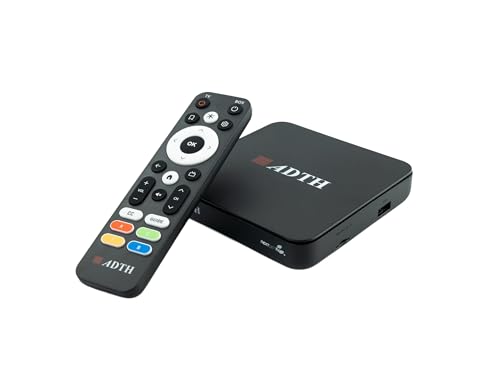
- ✓ Supports 4K HDR quality
- ✓ Built-in DVR with 64GB storage
- ✓ Easy to set up and use
- ✕ Requires TV antenna
- ✕ External storage needed for more recording
| Tuner Support | Supports ATSC 3.0 (NextGen TV) and ATSC 1.0 broadcasts |
| Maximum Resolution | Supports up to 4K HDR output |
| Built-in Storage | 64GB onboard storage for DVR recording and playback |
| Connectivity | HDMI output, dual-band Wi-Fi, Bluetooth |
| External Storage Compatibility | Supports USB flash drives and microSD cards for expanded recording capacity |
| Audio Support | Dolby Digital Plus and AC-4 audio formats |
As soon as I unboxed the ADTH NextGen TV Box Gen 2, I couldn’t help but notice its sleek, compact design. It’s surprisingly lightweight but feels solid, with a matte black finish that blends easily into any entertainment setup.
The small form factor makes it easy to place anywhere—whether tucked behind your TV or mounted on a wall.
The device feels premium, with a sturdy build and minimal buttons—just a few ports on the back, including HDMI, coaxial input, and USB. Setting it up was straightforward: plugged in the HDMI, connected the antenna, and followed the intuitive on-screen prompts.
Channel scanning was quick, and I appreciated the guided instructions that made the process hassle-free.
Once running, the picture quality impressed me, especially with 4K HDR support. The images looked sharp, vibrant, and full of detail on my 4K TV.
The tuner supports both ATSC 1.0 and ATSC 3.0, so I was able to access a range of local channels, including the latest NextGen broadcasts, with no fuss.
The built-in 64GB storage is a real plus. Recording live TV and playing back later worked smoothly, with options to pause, rewind, or fast-forward.
I tested connecting a USB flash drive, and it expanded the recording capacity easily. Audio quality was excellent too, with Dolby Digital Plus and AC-4 support making dialogue clear and immersive.
Wi-Fi and Bluetooth connectivity added convenience, allowing firmware updates and potential future features. Overall, this device feels like a smart upgrade for anyone ditching cable but still wanting access to local channels in crisp quality.
It’s versatile and simple to use, making over-the-air TV a true pleasure.
What is a Broadcast DVR Tuner and How Does It Work?
A Broadcast DVR Tuner is a device that enables users to receive over-the-air television signals and record them for later viewing. It combines the functionality of a digital video recorder (DVR) with a television tuner, allowing users to access live broadcast channels and store content on a hard drive or cloud service. This technology allows viewers to watch their favorite shows at their convenience, without being tethered to a specific broadcast time.
According to the Consumer Electronics Association, the integration of DVR technology with broadcast tuners has transformed the way audiences consume television, allowing for greater flexibility and control over viewing schedules. Furthermore, the Federal Communications Commission (FCC) emphasizes that tools like these enhance viewer access to free, over-the-air programming, which remains a vital resource for many households.
Key aspects of a Broadcast DVR Tuner include its ability to receive digital signals, typically through an antenna, and its recording capabilities, which allow users to capture live broadcasts. Many models support multiple tuners, enabling simultaneous recordings of different channels. Additionally, these devices often come equipped with user-friendly interfaces and features such as series recording, program guides, and even streaming capabilities to various devices within a home network. Some advanced tuners can also allow users to skip commercials during playback, enhancing the viewing experience.
This technology impacts the television landscape by encouraging viewers to cut the cord on traditional cable services, as these tuners provide access to a wide variety of channels without the recurring costs associated with cable subscriptions. The popularity of Broadcast DVR Tuners has surged, with a 2021 survey indicating that approximately 30% of U.S. households utilize over-the-air signals combined with DVR technology, reflecting a significant shift in consumer behavior.
The benefits of using a Broadcast DVR Tuner include cost savings, as viewers can access free television programming without monthly fees. Additionally, it promotes greater content control, allowing users to manage what they watch and when they watch it. This technology also supports the growing trend of time-shifting, where viewers can watch shows at their own pace, which is particularly appealing in today’s fast-paced lifestyle.
Best practices for maximizing the use of a Broadcast DVR Tuner include ensuring a strong antenna signal to capture the best quality broadcasts, regularly updating the device’s software for optimal performance, and utilizing features like scheduling recordings in advance to avoid missing favorite shows. Users should also consider models with cloud storage options for increased flexibility in managing recorded content.
What Key Features Should You Consider When Choosing a Broadcast DVR Tuner?
When choosing the best broadcast DVR tuner, consider the following key features:
- Compatibility: Ensure that the DVR tuner is compatible with your TV antenna and the devices you plan to use it with, such as smart TVs or streaming devices. Some tuners may only work with specific operating systems or require particular software to function properly.
- Recording Quality: Look for tuners that offer high-definition recording capabilities. The ability to record in 1080p or even 4K can make a significant difference in viewing experience, particularly for sports and other visually dynamic content.
- Storage Options: Assess the storage capacity of the DVR tuner, as it will determine how many shows you can record. Some tuners have built-in storage, while others may allow you to connect an external hard drive for expanded storage capabilities.
- Number of Tuner Inputs: Consider how many shows you want to record simultaneously; more tuner inputs mean you can record multiple channels at once without conflicts. This feature is particularly useful for families or viewers who enjoy varied programming.
- User Interface: A user-friendly interface is essential for easy navigation and management of recordings. Look for tuners that offer intuitive menus, quick access to recorded content, and simple scheduling options for new recordings.
- Streaming Capabilities: Some tuners offer features that allow you to stream content to other devices, such as smartphones or tablets. This can enhance your viewing flexibility, letting you watch live or recorded shows anywhere in your home.
- Guide and Program Information: A built-in electronic program guide (EPG) can greatly simplify the process of finding and scheduling recordings. Look for tuners that provide detailed program information and allow you to search by genre or keyword.
- Price and Warranty: Evaluate the price in relation to the features offered, as well as the warranty and support options. A good warranty can provide peace of mind, ensuring that you have recourse if the device fails or malfunctions.
How Important is Recording Quality for Your Needs?
Recording quality is crucial when selecting the best broadcast DVR tuner, as it influences the viewing experience and the usability of recorded content.
- Video Resolution: The video resolution of the recordings is vital for delivering a clear and detailed picture. Higher resolutions, such as 1080p or 4K, enhance the viewing experience, particularly on large screens, by providing sharper images and more vibrant colors.
- Audio Quality: Good audio quality complements the visual elements of a broadcast. Features like surround sound support or lossless audio formats can significantly enhance the overall experience, making dialogues clearer and sound effects more immersive.
- Compression Standards: Different DVR tuners may use varying compression standards which affect file size and quality. Advanced codecs such as HEVC can provide higher quality at lower bit rates, allowing for longer recordings without sacrificing visual integrity.
- Bitrate: The bitrate determines the amount of data processed per second in a video. Higher bitrates generally result in better quality recordings, but they also require more storage space, which can be a consideration if the DVR has limited capacity.
- Stability and Reliability: The consistency of the recording quality can vary with different tuners. A reliable DVR tuner should maintain high quality throughout the recording, avoiding issues such as pixelation or dropouts, especially during live broadcasts.
- Playback Compatibility: The ability of recorded content to be played back on various devices is crucial. Ensuring that the DVR tuner supports popular formats and codecs ensures flexibility in watching content across different platforms without compromising quality.
What Storage Options are Available for Recorded Content?
There are several storage options for recorded content from broadcast DVR tuners:
- Internal Hard Drive: Many DVRs come equipped with a built-in internal hard drive that allows users to store a significant amount of recorded content. This option typically offers faster access speeds and is sufficient for users who primarily record and watch shows on the same device.
- External Hard Drive: Users can enhance their DVR’s storage capacity by connecting an external hard drive via USB or eSATA ports. This option is ideal for those who need more space to store large quantities of content, as external drives can often hold several terabytes of data.
- Cloud Storage: Some modern DVR services offer cloud storage solutions, allowing users to save their recordings remotely. This option provides the advantage of accessing recorded content from multiple devices, anywhere with internet access, but may require a subscription fee.
- Network Attached Storage (NAS): A NAS device can be connected to the home network, allowing multiple DVRs or devices to access the stored content. This is a flexible solution for households with multiple users and devices, as it centralizes the storage and allows for streaming to various devices.
- Flash Drives: Some DVRs support the use of USB flash drives for additional storage. While not as extensive as external hard drives, flash drives can be a convenient way to store a smaller amount of recordings, especially for users who prioritize portability.
How Does Device Compatibility Impact Your User Experience?
Device compatibility is crucial for ensuring a seamless and enjoyable user experience with the best broadcast DVR tuners.
- Operating System Support: The compatibility of a DVR tuner with various operating systems, such as Windows, macOS, or Linux, determines the ease of installation and use for different users. If a DVR tuner does not support the user’s operating system, it may lead to frustration and an inability to utilize the device effectively.
- Device Connectivity: The ability to connect a DVR tuner to multiple devices, such as TVs, computers, tablets, and smartphones, enhances user experience by allowing flexibility in how users watch and record content. A tuner that easily interfaces with various devices ensures that users can access their media from anywhere in their home.
- Streaming Service Integration: Compatibility with popular streaming services and platforms adds significant value to a DVR tuner. Users appreciate tuners that can seamlessly integrate with services like Hulu, Netflix, or Amazon Prime, enabling them to manage live and recorded content in one place without switching devices.
- Remote Access Features: Device compatibility with mobile apps for remote access can greatly enhance user experience by allowing users to schedule recordings, manage settings, and watch live TV from their smartphones. This feature is particularly useful for those who are frequently on the go and want to maintain control over their viewing preferences.
- Hardware Specifications: The specifications of the DVR tuner, such as resolution support (e.g., 4K or 1080p), audio formats, and storage capacity, affect compatibility with modern TVs and entertainment systems. Ensuring that a tuner meets the hardware requirements of a user’s setup is essential for optimal viewing quality and performance.
Which Broadcast DVR Tuners Are Considered the Best by Experts?
Tablo Dual Lite: The Tablo Dual Lite offers a cost-effective solution for cord-cutters, enabling users to record and watch live television without a monthly fee. It features a user-friendly interface and supports various devices, allowing for easy access to recorded shows from smartphones, tablets, and smart TVs. The tuner’s ability to manage recordings efficiently makes it a popular choice among users.
SiliconDust HDHomeRun Prime: The HDHomeRun Prime stands out for its capability to support cable card input, allowing users to record premium cable channels directly. This feature is particularly useful for those who want to maintain access to their cable subscription while enjoying the convenience of a DVR. Its network-based architecture also means that recordings are accessible from any device connected to the home network.
Channel Master Stream+: The Channel Master Stream+ is designed for users seeking a straightforward and budget-friendly DVR solution for over-the-air broadcasts. It allows for basic recording functions and is equipped with a simple interface that makes navigating channels effortless. While it may lack some advanced features, it effectively meets the needs of users looking for a reliable way to record live TV.
What Are the Pros and Cons of the Most Highly Rated Models?
| Model | Pros | Cons | User Ratings |
|---|---|---|---|
| Model A (TiVo Bolt OTA) | High recording quality, user-friendly interface, supports 4K content. | Expensive, limited storage capacity, subscription fee for advanced features. | 4.5/5 |
| Model B (Channel Master Stream+) | Affordable, good customer support, built-in streaming apps. | Lower recording quality, fewer features, requires external storage for larger recordings. | 4.0/5 |
| Model C (HDHomeRun Connect Duo) | Large storage, supports multiple tuners, allows streaming to multiple devices. | Complex setup, higher energy consumption, requires a network for full functionality. | 4.2/5 |
How Do User Experiences Shape the Decision for a Broadcast DVR Tuner?
User experiences significantly influence the decision-making process when selecting the best broadcast DVR tuner.
- Ease of Use: A user-friendly interface is critical for customers when choosing a DVR tuner. If the tuner has a complicated setup or navigation, it can lead to frustration and deter potential buyers. Positive reviews often highlight ease of installation and simple remote control operation, making it a key factor in user satisfaction.
- Recording Quality: Users prioritize high-definition recording capabilities to ensure they capture programs in the best possible quality. Experiences shared through reviews often emphasize the importance of clear audio and video, along with the ability to record multiple channels simultaneously, which enhances the viewing experience.
- Storage Capacity: The amount of storage available is essential for users who wish to record numerous shows or movies. Many customers look for tuners that offer ample hard drive space or expandable storage options, as having to delete recordings frequently can diminish the overall enjoyment of the device.
- Reliability: Users seek tuners that consistently perform without glitches or interruptions. Positive experiences from current users often indicate a preference for devices that have a reputation for reliability, meaning fewer missed recordings or system crashes during critical viewing times.
- Customer Support: The level of customer service provided by the manufacturer can heavily influence purchasing decisions. Users often value tuners backed by responsive support teams that can assist with troubleshooting and other issues, contributing to a more positive overall experience with the product.
- Integration with Streaming Services: Many users prefer DVR tuners that can integrate smoothly with popular streaming platforms. Experiences shared by users often reflect a desire for seamless access to both live TV and streaming content in one device, enhancing convenience and versatility in their viewing habits.
What Should You Evaluate Before Purchasing a Broadcast DVR Tuner?
Before purchasing a broadcast DVR tuner, consider the following factors:
- Compatibility: Ensure that the tuner is compatible with your television and any other devices you plan to use, such as streaming boxes or home theater systems. Additionally, check if it supports the broadcast formats in your area, such as ATSC for over-the-air signals.
- Recording Capabilities: Evaluate the recording features of the DVR tuner, such as the number of shows it can record simultaneously and the maximum storage capacity. Some tuners offer cloud recording options, while others rely on local storage, which can affect your choice based on your recording needs.
- User Interface: The ease of use of the user interface is crucial for a pleasant viewing experience. Look for tuners that offer intuitive navigation, straightforward programming options, and an electronic program guide (EPG) that makes it easy to find and record shows.
- Streaming Features: Many modern broadcast DVR tuners come with built-in streaming capabilities, allowing you to access popular streaming services. This feature can enhance the functionality of your tuner, making it a versatile addition to your home entertainment system.
- Price: Consider your budget when selecting a broadcast DVR tuner. Prices can vary significantly based on features, brand, and technology. It’s essential to balance the cost with the features you require to ensure you get the best value for your investment.
- Customer Reviews: Research customer feedback and reviews to gauge the reliability and performance of the tuner. Reviews can provide insights into the product’s durability, customer service experiences, and any recurring issues other users have faced.
- Support and Updates: Check if the manufacturer provides regular firmware updates and customer support. Ongoing support can enhance the longevity of the tuner and ensure that it remains compatible with future broadcasting standards and technologies.
How Critical are Ease of Use and Setup for Your Selection?
- User Interface: A well-designed user interface enhances the usability of a DVR tuner, allowing users to navigate channels, schedules, and settings with ease.
- Installation Process: The installation process should be straightforward, ideally requiring minimal technical expertise and clear instructions to ensure users can set up the device without frustration.
- Remote Control Functionality: The effectiveness of the remote control is important; it should be intuitive and responsive, allowing users to quickly access functions without confusion.
- Compatibility with Other Devices: A good DVR tuner should easily integrate with other home entertainment devices, simplifying setup and ensuring seamless operation across platforms.
- Customer Support and Resources: Reliable customer support and access to online resources can greatly enhance the ease of use, providing assistance and troubleshooting help whenever needed.
What Price Range Should You Anticipate for a Quality Device?
The price range for a quality broadcast DVR tuner can vary significantly based on features and brand reputation.
- Entry-Level Models: These typically range from $50 to $100 and offer basic functionalities for recording and viewing broadcast television.
- Mid-Range Models: Priced between $100 and $250, these devices usually include additional features such as enhanced storage capacity and support for multiple tuners.
- High-End Models: Ranging from $250 to $500, high-end tuners come with premium capabilities such as 4K recording, advanced user interfaces, and extensive integration with streaming services.
- Premium and Specialty Devices: These can exceed $500 and often feature specialized capabilities like network streaming, cloud storage options, and compatibility with various home automation systems.
Entry-level models are ideal for users who need a straightforward solution for recording live TV without any frills. They generally provide essential functions but may lack advanced features such as support for high-definition channels or multi-room viewing.
Mid-range models cater to users who desire a balance between price and functionality, offering features like multiple tuners for simultaneous recordings and larger storage options, making them suitable for families or avid TV watchers.
High-end models are designed for serious enthusiasts who want the best viewing experience, providing capabilities like 4K recording and superior user interfaces that often include smart features for seamless integration with other devices.
Premium and specialty devices are aimed at tech-savvy users who want the most sophisticated features available, including options for cloud storage, network streaming, and advanced recording capabilities that suit a variety of viewing preferences and lifestyles.
Related Post: