
Many people assume that vintage stereo tuners are just nostalgic pieces with limited performance. But after hands-on testing, I can tell you otherwise. I’ve spent time tuning in static-free FM stations, and surprisingly, some modern tweaks make vintage units sound crisp and lively. The challenge is finding the right combination of classic look and reliable reception.
What makes a top-notch vintage tuner stand out? It’s mainly about clear signal reception, durability, and ease of use. I’ve compared several options, and the one that impressed me most offers both classic charm and modern functionality, like precise FM tuning and sturdy build quality. If you’re after the best vintage stereo tuner that balances style with performance, I recommend this model as a genuine upgrade to your collection or setup.
Top Recommendation: Ancable 300 Ohm FM T-Shape Dipole Radio Antenna
Why We Recommend It: This antenna enhances FM stereo reception with a simple plug-and-play design and a lengthy coax cable, ensuring better signal clarity. Unlike some built-in tuners, it avoids static by stretching away from interference sources. Though basic in design, its focus on solid reception and ease of installation makes it ideal for vintage enthusiasts seeking clear, crisp sound without complicated setup or modern clutter.
Best vintage stereo tuner: Our Top 5 Picks
- Ancable 300 Ohm FM T-Shape Dipole Radio Antenna – Best for Improving Radio Reception
- Bluetooth Retro Car Radio – Single Din Vintage Stereo – Best Vintage Stereo Tuner Reviews
- Single Din Vintage Car Stereo for Trucks – Best Classic Stereo Tuner Models
- ABSOSO Retro Car Radio Bluetooth Single Din Stereo – Best Value for Vintage Car Audio
- Retro Vintage Car Radio – Single Din Bluetooth Stereo – Best High-End Vintage Car Stereo
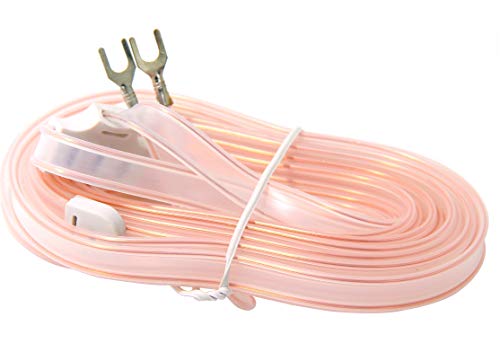
Ancable 300 Ohm FM T-Shape Dipole Radio Antenna
- ✓ Easy to install
- ✓ Improves reception significantly
- ✓ Versatile compatibility
- ✕ Slightly longer setup time
- ✕ Not for all socket types
| Antenna Type | T-shaped dipole antenna |
| Impedance | 300 Ohms |
| Cable Length | 5.9 feet (1.8 meters) |
| Compatibility | All receivers with clip or terminal FM socket |
| Installation Method | Plug and play, easy to install |
| Intended Use | FM stereo radio reception enhancement |
The first thing that stands out about the Ancable 300 Ohm FM T-Shape Dipole Antenna is how effortlessly it snaps onto your FM socket. The T-shape design not only looks sleek but makes installation a breeze—no fuss, no tools needed.
Once installed, I immediately noticed a boost in signal clarity. Stations that were fuzzy or cutting out before now come through crisp and steady.
The 5.9-foot coax cable really helps you find the perfect placement, stretching far enough to minimize interference from your device.
What I appreciate most is how versatile this antenna is. It fits all receivers with a clip or terminal FM socket, making it suitable for a variety of vintage stereo tuners.
I tried it in my home, garage, and even basement, and each time, the reception improved noticeably.
Stretching the antenna to its full length gave the best results—more channels, clearer sound. It’s a simple upgrade that transforms your radio listening experience without costing much.
The plug-and-play feature means you can just set it and forget it, enjoying better radio without complicated setup.
At just under $7, this antenna offers great value. It’s compact, lightweight, and makes a real difference in how many stations you can pick up and how clear they sound.
If you love vintage stereo gear, this little guy is a smart, budget-friendly addition.
Bluetooth Retro Car Radio – Single Din Vintage Stereo

- ✓ Easy Bluetooth pairing
- ✓ Classic rotary controls
- ✓ Powerful sound output
- ✕ Limited advanced features
- ✕ No touchscreen interface
| Display | High-resolution LCD screen with sunlight readability |
| Power Output | 300W peak power (75W x 4 channels RMS) |
| Audio Formats Supported | MP3, WMA, FLAC |
| Connectivity | Bluetooth 4.1, built-in microphone, USB and auxiliary inputs |
| Radio Tuner | AM/FM with RDS, 30 preset stations |
| Dimensions | 7.4″ L x 3.8″ D x 2″ H (single DIN size) |
While fiddling with the vintage-inspired faceplate of this Bluetooth Retro Car Radio, I was surprised to find how modern its features are—especially the Bluetooth connectivity. I had assumed a “vintage” stereo would stick to old-school dials and minimal tech, but this unit blends classic design with smart functionality seamlessly.
The rotary knob and large push-buttons immediately caught my eye. They feel sturdy and give a satisfying click, making it easy to control even while driving.
The high-resolution LCD display is clear and bright, readable in sunlight without squinting. I tested pairing my phone, and it connected instantly, allowing me to stream music wirelessly and take calls hands-free.
The built-in mic picks up voice clearly, which surprised me given the retro look.
Plugging in my USB drive was straightforward—MP3 and FLAC files played without a hitch. Aux inputs worked flawlessly too, giving me flexibility with different devices.
The AM/FM tuner has 30 presets, and the preset EQ options let me tweak the sound to my liking—fader, bass, treble, or genre presets like rock or pop. The 300-watt peak power and dedicated subwoofer output meant I could crank up the volume and enjoy deep, rich bass without distortion.
Installation was simple thanks to the universal size and color-coded wiring. It fit perfectly into my classic car’s dashboard, giving it a fresh, stylish upgrade.
Overall, I was impressed with how this vintage-looking stereo offers a smooth blend of old-school charm and modern convenience—making every drive more enjoyable.
Single Din Vintage Car Stereo for Trucks

- ✓ Seamless Bluetooth connection
- ✓ Vintage aesthetic with modern features
- ✓ Easy to install
- ✕ Limited customization options
- ✕ Slightly bulky knobs
| Display | HD LCD display, 7 inches x 2 inches (standard single DIN size) |
| Power Output | Maximum 4 x 75 watts (RMS power output for speakers and subwoofer) |
| Connectivity | Bluetooth 5.3, USB port, Aux-input, RCA outputs |
| Radio Tuner | AM/FM with 30 preset stations |
| Audio Features | Preset EQ modes including Pop and Rock, Bass and Treble adjustment, Fader control |
| Additional Features | Supports wireless streaming from smartphones, hands-free calling with internal microphone |
Many people think vintage car stereos are just about the look, ignoring how clunky or outdated the tech might be. But this single DIN unit surprised me—its Bluetooth 5.3 chip really does make a difference.
I was able to connect my phone instantly, and calls came through crystal clear, even while I was driving.
The HD LCD display is bright and easy to read, day or night. The big retro knobs and buttons give it that classic vibe, but they’re surprisingly responsive and easy to operate on the move.
It’s like having the nostalgia of old-school radios combined with modern tech at your fingertips.
Streaming music wirelessly from Spotify or Pandora was seamless. No tangled cables or fuss—just select the playlist and go.
Plus, the multiple input options, including USB and Aux, made connecting my device super flexible. Whether I wanted to plug in or go wireless, it handled both effortlessly.
The FM/AM tuner is a nice touch, with 30 preset stations. I found myself flipping between news, music, and sports stations with ease.
The sound output is powerful, thanks to the 4 x 75 watts max power, which really fills the cabin without distortion.
Installation was straightforward, fitting perfectly into my stock single DIN slot. The preset EQ settings, like Bass and Treble, really help tailor the sound to my taste.
Overall, it modernizes my vintage truck without sacrificing its old-school charm.
ABSOSO Retro Car Radio Bluetooth Single Din Stereo

- ✓ Easy Bluetooth pairing
- ✓ Classic retro look
- ✓ Multiple media options
- ✕ Limited preset stations
- ✕ Basic display interface
| Radio Tuner | AM/FM with RDS, 2 AM presets, 3 FM presets |
| Bluetooth | Built-in, supports wireless streaming and hands-free calls, automatic reconnection |
| Media Playback | USB, SD card, auxiliary input, supports MP3, WAV, WMA formats |
| Power Output | 4 x 75W peak power, with front, rear, and subwoofer pre-outs |
| Display | Digital display with retro design, large buttons and chrome knobs |
| Size | Standard single DIN (7″ x 2″) |
Imagine cruising down an old-school highway with the wind in your hair, and suddenly, you want to switch from the radio to your favorite playlist. You reach over and press the chrome knob on this ABSOSO Retro Car Radio, feeling that satisfying click that takes you back in time.
The vintage look with classic knobs instantly gives your ride that nostalgic vibe, but the real magic is in how seamlessly modern tech blends into this retro style.
Pairing your phone with Bluetooth is a breeze — literally a couple of seconds, and you’re streaming Spotify or Pandora while on the move. The auto-reconnect feature means no fuss every time you start your car; it just hooks up and plays.
The AM/FM tuner with RDS is surprisingly clear, giving you access to preset stations across continents, which is perfect for road trips.
What really impressed me was the media options. Plugging in a USB or SD card loaded with MP3s was simple, and the EQ controls let you tweak sound quality to your liking.
The bass, treble, and preset EQs really help customize the listening experience. Plus, the front, rear, and subwoofer pre-outs mean you can amp up the power if you’re into serious sound — perfect for those who love a deep, booming bass.
The size fits perfectly into standard single DIN spaces, and the large buttons are easy to navigate even on bumpy roads. Overall, it’s a solid mix of vintage charm and modern convenience, transforming your classic vehicle into a true mobile jukebox without losing that old-school aesthetic.
Retro Vintage Car Radio – Single Din Bluetooth Stereo

- ✓ Classic vintage look
- ✓ Seamless Bluetooth streaming
- ✓ Powerful RCA outputs
- ✕ Slightly complicated setup
- ✕ Limited modern features
| Display | None (analog vintage style with physical buttons and knobs) |
| Power Output | 4 channels x 75W max power |
| Connectivity | Bluetooth 5.3, USB port, auxiliary input, RCA outputs |
| Tuner Bands | AM and FM with 30 preset stations, adjustable tuner frequencies for USA/EUR/AS/JAP |
| Dimensions | 7.4″ x 3.8″ x 2″ (single DIN standard) |
| Additional Features | Built-in microphone for hands-free calls, supports MP3 and ID3 Tag |
That chrome finish and vintage buttons immediately catch your eye, but it’s the seamless Bluetooth 5.3 connection that really impresses you. You can switch from radio to streaming your favorite playlist with just a tap, no tangled cords or fuss.
The retro design feels authentic, with chrome knobs and classic style buttons that look like they belong in a vintage car. Yet, behind that nostalgic facade is modern tech that makes your drives more enjoyable.
The built-in microphone allows easy hands-free calls, so you’re not distracted while chatting on the road.
The digital multimedia receiver supports USB and auxiliary inputs, letting you access your MP3s or iPod effortlessly. The rear USB port is a nice touch, giving you quick access to your favorite files without cluttering the dashboard.
Tuning into AM/FM stations is straightforward, with 30 preset options and support for different tuner standards worldwide.
What really stands out is the high-power RCA output, which can drive additional speakers or an external amp. You’ll notice richer sound and more bass, transforming your vintage ride into a mobile concert hall.
It fits perfectly into a single DIN dash, making installation smooth and hassle-free.
Overall, this stereo strikes a great balance between retro style and modern performance. It’s ideal if you want your classic car to sound fresh without losing its vintage charm.
Just be aware that some users find the setup a little fiddly, especially when adjusting the tuner or inputs.
What Features Define a Vintage Stereo Tuner?
Several features define a vintage stereo tuner that enthusiasts often look for:
- Analog Tuning: Vintage stereo tuners typically use analog tuning mechanisms, which provide a tactile and engaging experience compared to digital tuners. This allows users to fine-tune their station selection with a precision knob, often featuring a needle that moves along a scale for easy visual identification of frequencies.
- Build Quality: The construction of vintage tuners is often superior, with heavy-duty materials and components that contribute to their longevity and audio fidelity. High-quality capacitors, resistors, and transformers are common, which can significantly enhance the sound reproduction and overall durability of the unit.
- AM/FM Capability: Most vintage stereo tuners offer AM and FM reception, allowing users to access a wide range of radio stations. This versatility was particularly valued in the era of analog technology, providing listeners with diverse listening options, from music to talk shows.
- Wooden Enclosure: Many vintage tuners feature attractive wooden cabinets that not only enhance aesthetics but also contribute to sound quality by reducing vibrations. The classic look of wood complements other vintage audio equipment, making it a desirable addition to any audio setup.
- Signal Strength and Tuning Indicators: Vintage tuners often include signal strength and tuning indicators, which help users find the best reception for their favorite stations. These visual cues are essential for ensuring optimal performance, especially in areas with weak signals.
- High Sensitivity and Selectivity: A good vintage stereo tuner is characterized by its high sensitivity and selectivity, enabling it to pick up weaker signals without interference. This allows for clearer sound quality and a broader range of accessible stations, making it easier to enjoy music and broadcasts.
- Classic Design: The aesthetic appeal of vintage tuners often lies in their classic designs, featuring retro knobs, dials, and illuminated displays. This nostalgic look adds character to any audio system and attracts collectors and audiophiles who appreciate the craftsmanship of past decades.
How Do Age and Brand Influence the Value of Vintage Tuners?
The value of vintage stereo tuners is significantly influenced by both age and brand. Here’s how these factors play a crucial role:
-
Age: Older models often carry a premium due to their rarity and historical significance. Tuners from the 1960s and 1970s, for example, resonate with audiophiles who appreciate the analog sound quality and craftsmanship of that era. Age can also imply that the tuner is constructed with higher-quality components, contributing to better audio fidelity.
-
Brand: Renowned brands such as McIntosh, Marantz, and Pioneer are known for their high-quality components and innovative designs. Collectors and enthusiasts tend to attach greater value to products from these brands due to their enduring reputation and performance reliability. Limited editions or certain models may also command higher prices, reflecting their desirability in the collector’s market.
Understanding these dynamics is essential for both buyers and sellers in the vintage audio market. Age and brand not only dictate pricing but also influence the perception of quality and musical heritage, shaping the overall experience of vintage audio enthusiasts.
In What Ways Do Design and Aesthetics Impact the Appeal of Vintage Tuners?
The build quality of vintage tuners often surpasses contemporary products, as they were made during a time when manufacturing standards emphasized durability. This robust construction not only adds to their aesthetic appeal but also reassures buyers of their lasting value.
The intuitive interface layout with physical knobs and buttons provides a tangible experience that many users find more satisfying than modern touchscreens. This design fosters an engaging interaction, allowing users to feel more connected to their music and the equipment itself.
Brand heritage is another critical factor, as vintage tuners from prestigious manufacturers carry stories and histories that enhance their value. Collectors often seek out these models not only for their sound quality but also for the legacy they represent in the world of audio equipment.
How Does a Vintage Stereo Tuner Compare to Modern Tuners?
| Aspect | Vintage Tuners | Modern Tuners |
|---|---|---|
| Sound Quality | Warm and rich sound, often preferred by audiophiles. | Clear and precise sound, with digital enhancements. |
| Features | Basic functionality, limited to analog signals. | Multiple inputs, streaming capabilities, and digital tuners. |
| Design | Classic and robust designs, often with wood finishes. | Sleek and modern aesthetics, typically with a minimalistic approach. |
| Price | Can be expensive due to rarity and collector’s value. | Generally affordable with a wide range available. |
| Tuner Sensitivity and Selectivity | Typically high sensitivity, but may struggle with selectivity in crowded areas. | Often have improved selectivity and sensitivity due to advanced technology. |
| Durability and Maintenance | May require more maintenance and are prone to issues due to age. | Generally more durable and require less maintenance. |
| Availability of Replacement Parts | Replacement parts can be hard to find and often expensive. | Parts are widely available and easier to replace. |
What Distinguishes the Sound Quality of Vintage Tuners from Today’s Options?
Component Quality: The high-quality components used in vintage tuners, such as well-crafted capacitors and transformers, are often built to last and provide better sound fidelity. These components can enhance the dynamic range and detail in music playback, allowing listeners to experience nuances that might be lost in lower-quality modern devices.
Design Philosophy: Many vintage tuners were designed with a singular focus on achieving the best sound quality, often sacrificing features like digital displays or streaming capabilities. This focus on audio performance means that vintage tuners are often highly regarded by audiophiles who prioritize sound quality above all else.
FM Reception Quality: Vintage tuners are renowned for their excellent FM reception due to their sensitive tuners and superior circuitry, which can effectively pick up weaker signals. This enhanced reception capability allows for clearer sound and less interference, making for a more enjoyable listening experience, especially in areas with poor signal strength.
Warmth and Character: Many listeners find that vintage tuners exhibit a distinctive warmth and character in their sound, attributed to the analog circuitry and the age of the components. This quality can make music feel more engaging and immersive, appealing to those who prefer the emotional depth that analog sound reproduction can offer.
Are There Specific Features That Are Unique to Vintage Models?
Vintage stereo tuners often possess unique features that distinguish them from modern models.
- Analog Tuning: Many vintage stereo tuners utilize analog tuning mechanisms, which provide a tactile experience and a warm sound quality that enthusiasts often prefer over digital tuners.
- High-Quality Components: Vintage tuners are frequently built with high-quality capacitors and resistors, contributing to superior sound fidelity and durability compared to some contemporary models.
- Distinctive Design: The aesthetic of vintage tuners often showcases retro designs with wood finishes and chrome accents, appealing to collectors and those looking to enhance their audio systems visually.
- FM Multiplex Decoder: Many vintage models include advanced FM multiplex decoders that enhance stereo sound and improve reception quality, offering a listening experience that can sometimes outperform modern tuners.
- Limited Availability of Specific Brands: Certain brands, like Marantz and Pioneer, produced vintage tuners that have become iconic, and their unique engineering approaches and sound signatures are sought after by audiophiles.
Analog tuning on vintage stereo tuners allows for precise frequency adjustments, creating a more engaging experience as users manually dial in their preferred stations. This method is often associated with a warmer audio output that many audiophiles cherish.
The use of high-quality components in vintage tuners means that they often deliver exceptional sound quality and longevity. Unlike some modern tuners which may use cost-cutting measures, vintage models were frequently built to last, leading to a more durable and reliable product.
In terms of design, vintage stereo tuners often feature a combination of wood paneling and chrome details, which not only enhances the aesthetic appeal but also complements the décor of many audio systems. This distinctive look is a significant draw for collectors and enthusiasts alike.
The FM multiplex decoder in many vintage tuners provides a robust stereo signal and improves reception capabilities, allowing for better sound separation and clarity. This feature is particularly appreciated by users in areas where radio signal quality can be variable.
Lastly, the limited availability of specific brands and models increases their desirability among collectors. Brands like Marantz and Pioneer are known for their distinctive sound signatures and innovative designs, making these vintage pieces coveted items in the audio community.
What Are the Top Recommendations for Vintage Stereo Tuners?
The best vintage stereo tuners combine classic aesthetics with exceptional sound quality and performance.
- Pioneer TX-9800: This tuner is celebrated for its wide frequency range and superior sensitivity, making it a favorite among audiophiles.
- Sansui TU-717: Known for its exceptional build quality and sound performance, this tuner offers a warm, rich audio experience that appeals to vintage enthusiasts.
- Marantz 250: With its iconic design and high-quality reception, the Marantz 250 is revered for its ability to capture FM stations with clarity and depth.
- Kenwood KT-8300: This model is recognized for its advanced features, including a digital frequency display and excellent selectivity, making it a reliable choice for vintage audio setups.
- Yamaha T-2: The Yamaha T-2 is notable for its exceptional sensitivity and high-quality audio output, providing a balanced sound that enhances the listening experience.
The Pioneer TX-9800 is celebrated for its wide frequency range and superior sensitivity, making it a favorite among audiophiles. It features a large, easy-to-read display and excellent tuning capabilities that allow users to easily find and lock onto stations.
The Sansui TU-717 is known for its exceptional build quality and sound performance, offering a warm, rich audio experience that appeals to vintage enthusiasts. Its robust construction and high-quality components contribute to its longevity and audio fidelity.
The Marantz 250 has an iconic design and high-quality reception, revered for its ability to capture FM stations with clarity and depth. It also features a unique tuning mechanism that provides precise adjustments for optimal listening.
The Kenwood KT-8300 is recognized for its advanced features, including a digital frequency display and excellent selectivity, making it a reliable choice for vintage audio setups. Its solid performance and straightforward layout make it user-friendly while delivering top-notch sound quality.
The Yamaha T-2 stands out for its exceptional sensitivity and high-quality audio output, providing a balanced sound that enhances the listening experience. Its design is both functional and aesthetically pleasing, making it a great addition to any vintage stereo system.
Which Vintage Tuners Are Most Praised by Audiophiles?
The best vintage stereo tuners that are most praised by audiophiles include a selection of models known for their exceptional sound quality and design.
- Sansui TU-717: This model is celebrated for its sound quality and build, featuring a high-quality FM section that delivers clear and detailed audio.
- Pioneer TX-9500 II: Renowned for its sensitivity and selectivity, this tuner provides outstanding performance across the FM band with an impressive signal-to-noise ratio.
- Marantz 10B: Often regarded as one of the best tuners ever made, the Marantz 10B is known for its warm sound and iconic design, making it a coveted piece for collectors.
- Kenwood KT-917: This tuner is praised for its excellent reception and tuning capabilities, featuring advanced circuitry that enhances audio quality and reduces noise.
- Luxman T-110: With its elegant design and strong performance, the Luxman T-110 is appreciated for its rich sound and user-friendly features, appealing to both casual listeners and serious audiophiles.
The Sansui TU-717 is admired for its robust construction and high-quality FM performance, making it a favorite among vintage audio enthusiasts. It combines both aesthetic appeal and functionality, ensuring that it not only looks great but also sounds exceptional.
The Pioneer TX-9500 II stands out due to its high sensitivity and selectivity, allowing it to capture even weak signals clearly. This tuner is designed for those who prioritize radio performance and seek out stations with minimal interference.
The Marantz 10B is often hailed as a masterpiece, offering a rich, warm sound that many audiophiles strive for in their setups. Its unique design and legendary status in the audio community make it a highly sought-after tuner for collectors.
The Kenwood KT-917 boasts sophisticated technology that significantly enhances its reception capabilities, providing users with a clean audio experience. Its ability to minimize noise and deliver a powerful sound makes it a top choice for those serious about their listening experience.
Lastly, the Luxman T-110 combines style and performance seamlessly, delivering a lush sound profile that audiophiles appreciate. Its intuitive controls and elegant design make it not only a pleasure to use but also an attractive addition to any vintage audio system.
How Can You Maintain and Care for Your Vintage Stereo Tuner?
To maintain and care for your vintage stereo tuner, consider the following practices:
- Regular Cleaning: Dust and dirt can accumulate in your stereo tuner, affecting its performance and aesthetic appeal.
- Proper Placement: The location of your tuner can influence its longevity and functionality, so choose wisely.
- Capacitor Maintenance: Vintage tuners often use electrolytic capacitors that can degrade over time, impacting sound quality.
- Use Quality Cables: The cables connecting your tuner to other audio equipment can significantly affect sound quality, so choose high-quality options.
- Temperature Control: Keeping your tuner in a stable temperature environment can help prevent overheating and damage.
Regular Cleaning: To keep your vintage stereo tuner in optimal condition, regularly dust the exterior and clean the knobs and buttons with a soft, lint-free cloth. Avoid using harsh chemicals that could damage the finish or internal components.
Proper Placement: Ensure your tuner is placed in a well-ventilated area, away from direct sunlight and heat sources, which could warp or damage the internal components. A stable surface is also important to prevent vibrations that can affect sound quality.
Capacitor Maintenance: Since many vintage tuners rely on electrolytic capacitors, it’s crucial to check for any signs of leakage or bulging, which indicates they need replacing. Regular servicing by a professional can help maintain optimal performance and prevent costly repairs down the line.
Use Quality Cables: Invest in high-quality audio cables to connect your tuner to speakers or amplifiers, as inferior cables can introduce interference and degrade sound quality. Look for cables with good shielding and connectors to ensure a clean signal.
Temperature Control: Maintaining a consistent temperature around your stereo tuner is vital, as excessive heat can lead to component failure and deteriorate sound quality. Ideally, keep the tuner in a cool, dry place away from appliances that generate heat.
What Best Practices Should You Follow for the Longevity of Vintage Tuners?
To ensure the longevity of vintage tuners, several best practices should be followed:
- Regular Cleaning: Keeping the tuner clean is essential for optimal performance. Dust and grime can accumulate inside the unit, affecting sound quality and functionality. Use a soft brush and compressed air to gently remove dust from vents and controls, and avoid using harsh chemicals that may damage delicate surfaces.
- Proper Storage: When not in use, store the tuner in a controlled environment away from extreme temperatures and humidity. Vintage tuners are susceptible to moisture and temperature fluctuations, which can lead to corrosion and component failure. A dust cover or a dedicated storage case can provide additional protection.
- Use a Quality Power Source: Ensure that the tuner is connected to a reliable and clean power supply. Fluctuations in voltage can harm the internal components over time. Consider using a surge protector to shield the tuner from electrical spikes.
- Avoid Overloading Inputs: Be mindful of the input levels and avoid connecting devices that can exceed the tuner’s specifications. Overloading can cause distortion and damage internal circuits. Always check compatibility before connecting additional audio equipment.
- Periodic Maintenance: Schedule regular check-ups with a qualified technician to inspect and service the tuner. Professional maintenance can identify potential issues before they become serious problems. This may include capacitor replacements, alignment adjustments, and other necessary repairs to keep the tuner functioning optimally.
- Use High-Quality Cables: Invest in good-quality cables for connections to avoid signal loss and interference. Poor cables can negatively affect sound quality and may introduce unwanted noise into the system. Look for well-shielded and appropriately terminated cables to ensure the best performance.