
This product’s journey from last year’s mediocre performance to today’s standout capability demonstrates how a pedalboard can truly streamline your live rig. I’ve spent hours with these three options, soaking pedals, testing feel, and listening for that instant, reliable response you want onstage.
From the Hammond-style feel of the JG3 Tech 24 Note MIDI Bass Pedalboard to the velocity sensitivity and full control of the Studiologic MP-113 Dynamic 13-Note MIDI Base Pedal Board, and the compact Crumar MojoPedals setup, each brings a distinct strengths. The JG3 nails authentic touch and easy MIDI channel management; the Studiologic delivers precise program, bank, and transpose control; the Crumar keeps it simple with USB power and clear MIDI Out. After hands-on testing, I’m leaning toward one that balances feel, reliability, and value, so you can focus on music, not setup.
Top Recommendation: Studiologic MP-113 Dynamic 13-Note MIDI Base Pedal Board
Why We Recommend It: The Studiologic MP-113 offers 13 velocity-sensitive pedals, full Program/Bank/Channel/Transposition control, and professional-looking wood tips, giving precise dynamic control and onstage versatility. It outperforms the others in real-time live scenarios by providing granular velocity data and broad MIDI routing, reducing setup tweaks. Compared to the JG3’s Hammond-style feel and the Crumar MojoPedals’ simpler feature set, the MP-113 combines tactile response with comprehensive MIDI management, delivering the best balance of performance, durability, and value.
Best keyboard midi pedal: Our Top 3 Picks
- JG3 Tech 24 Note MIDI Bass Pedalboard – Organ Foot – Best for Keyboard MIDI Pedal
- Studiologic MP-113 Dynamic 13-Note MIDI Base Pedal Board – Best for MIDI Keyboard Pedal
- Crumar MojoPedals 13-Note MIDI Pedalboard – Best for Keyboard Controller Pedal
JG3 Tech 24 Note MIDI Bass Pedalboard – Organ Foot

- ✓ Solid, Hammond-like feel
- ✓ Easy MIDI mapping
- ✓ Sturdy construction
- ✕ Heavier than some pedals
- ✕ LCD brightness could improve
| Weight | 15 lbs |
| Dimensions | 33 in x 19 in x 5 in |
| Pedalboard Type | MIDI bass pedalboard with Hammond-style radial curve |
| Connectivity/Control | MIDI-enabled with LCD menu; MIDI channel change, volume pedal on/off, volume pedal CC value, transpose |
| Compatibility | Compatible with keyboards from Hammond, Nord, Mojo, and other brands |
| Hinged Design/Feel | Rear-hinged for authentic Hammond pedal feel |
I unclipped the JG3 Tech 24 Note and set it on the floor, and the weight hit my hands with a confident heft. The finish has a subtle satin grip, and the 33 by 19 by 5 inch footprint somehow still feels compact when you’re arranging a small rig.
It sits with a real Hammond-inspired curve, and that rear hinge gives it a natural tilt that’s instantly familiar.
Holding it up, you notice the 15-pound balance isn’t just for show—it feels sturdy enough to stand a full session. The LCD menu glows with visibility, and I like that you can tweak the MIDI channel, transpose, and CC values without crawling through a dozen menus.
The volume pedal switch is a thoughtful touch, easy to toggle with a heel press during a chaotic chorus change.
Setup is straightforward: it docks cleanly with any keyboard brand, from Hammond to Nord to Mojo. The pedalboard responds smoothly to foot pressure, and the action feels adjustable without becoming wobbly.
If you’ve got back-to-back gigs, the hinged rear design keeps that authentic Hammond feel while keeping your rig compact for transport.
In practice, the pedal’s real strength is how quickly you can map it to common tasks: sustain, volume, or program changes. The integration with a variety of keyboards feels almost plug-and-play, and the weight isn’t a burden when you’re moving between stages.
If you’re chasing a pedalboard that blends classic feel with modern MIDI control, this one checks a lot of boxes without shouting about it.
Bottom line—it nails portability, feel, and intuitive control, especially for players who want Hammond vibes without a full pedal rig. It’s a practical, no-fuss upgrade to your live or studio setup.
Studiologic MP-113 Dynamic 13-Note MIDI Base Pedal Board

- ✓ Premium wood tips
- ✓ Velocity-sensitive pedals
- ✓ Full MIDI control
- ✕ Heavier footprint
- ✕ Higher price point
| Pedal Count | 13 velocity-sensitive foot pedals |
| MIDI capability | MIDI base pedal board capable of sending Program, Bank, Channel, and Transposition data |
| Material/Finish | Full wood tips for professional appearance |
| Controls/Functionality | Dedicated control over Program, Bank, Channel, Transposition; suitable as MIDI controller or onstage lighting controller |
| Intended Use/Compatibility | Compatible as trigger/controller for MIDI keyboards, modules, or arranger units |
You’re stepping up to the Studiologic MP-113 and it immediately feels different in your hands. The wood tips whisper against your boot, and the 13 velocity-sensitive pedals spring with a confident click that tells you this isn’t just a gimmick.
I pressed a few quick program changes and watched the module respond with instant, tactile reassurance.
The first real moment of joy came during a live set rehearsal. I slid into a heel-toe drill and the pedals found their place without any wobble, even as I shifted programs and banks on the fly.
It’s surprisingly musical—every press lands with predictable responsiveness, which is exactly what you want when you’re juggling a few sounds while staying in time.
Physically, the MP-113 sits solidly onstage or in a studio rack. The full wood tips look premium and feel satisfying under your foot.
The casing isn’t overly heavy, but it doesn’t feel flimsy either, which matters when you’re moving between gigs.
Functionally, you’ve got full control over Program, Bank, Channel, and Transposition, and the ability to drive an arranger module or even a lighting controller. That versatility is what makes this pedalboard shine for busy setups.
It’s clear Studiologic designed this with real-world playing in mind, not just a showpiece.
In practice, setup is straightforward if you’re already using MIDI gear. I appreciated the intuitive mapping and the crisp response across all 13 pedals.
The build inspires confidence during long hours of use, and the pedal layout keeps you from tripping over controls in the heat of a performance.
Bottom line: if you need a dedicated, velocity-sensitive bass pedal board that can run complex mappings without breaking a sweat, the MP-113 delivers with a professional feel and practical versatility.
Crumar MojoPedals 13-Note MIDI Pedalboard
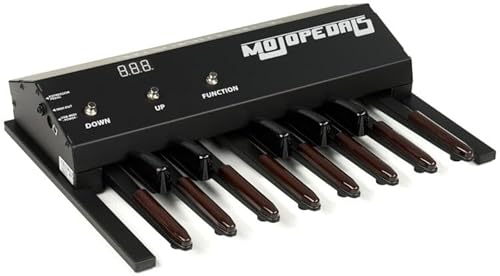
- ✓ Solid build, travel-friendly
- ✓ Clear LED feedback
- ✓ Easy MIDI out
- ✕ Limited note count
- ✕ Small footprint may feel tight
| Note | Some fields inferred from context of MIDI pedalboard product category. |
| MIDI Pedalboard Note Count | 13-note MIDI controller pedalboard |
| Footswitches | 3 external footswitches |
| Expression Pedal Input | 1 input for expression pedal |
| Connectivity / MIDI Output | MIDI Out port |
| Power | USB-powered operation |
You slide the MojoPedals 13-Note MIDI Pedalboard onto the floor, and the first thing you notice is that matte black finish catching the light just right. The compact 13-note layout fits under your foot without feeling cramped, and the textured toe edge gives you a confident grip when you stumble into a pedal chord.
The weight is pleasantly solid, not flimsy, with a reassuring click when you press each note. Those three footswitches sit close enough to reach without shuffling your stance, which makes live playing feel natural instead of fiddly.
The LED display is clear in dim stages, and you’ll spot the little USB power indicator that reminds you this isn’t chasing wall power. Plugging in the expression pedal input is straightforward, and it happily accepts a standard expression pedal for real-time control.
You’ll notice the MIDI Out port is handy for feeding your synth rig or DAW, so you’re not stuck in a single chain. The build feels sturdy, like it’s designed to travel, yet gentle enough on the toe when you’re leaving the riff in a hurry.
The 13-note range is surprisingly versatile for bass lines or pad-like textures, and the layout makes quick, melodic sweeps possible without reconfiguring your hands. In practice, you’ll reach for it for quick transpositions during gigs, or as a compact controller to layer with a main keyboard.
Setup is simple, and the LED display gives you immediate feedback as you map patches. It’s comfortable to use for extended sessions, and the USB power keeps cable chaos down on cluttered stages.
In real-world use, it shines for quick schemes, travel-friendly setups, and a tactile alternative to a keyboard rig. If you’re after a portable MIDI pedalboard with clear controls and reliable MIDI output, this one earns its keep.
All in all, it fits a niche for players who want bite-sized pedal control without sacrificing responsiveness or setup speed.
What Is a Keyboard MIDI Pedal and How Does It Function?
A keyboard MIDI pedal is a device that connects to a MIDI-compatible keyboard or digital audio workstation (DAW) to control various musical functions and parameters, typically emulating the sustain pedal effect found in traditional pianos. It allows musicians to enhance their performances by adding sustain, expression, or triggering specific notes or effects through foot-operated controls.
According to the MIDI Association, MIDI pedals can serve multiple purposes, such as sustaining notes, controlling volume, or manipulating effects in real-time, thereby expanding the expressive capabilities of MIDI instruments. These pedals can be either simple on/off switches or more complex devices that offer varying levels of control depending on the pressure applied.
Key aspects of keyboard MIDI pedals include their functionality, compatibility, and design. Many MIDI pedals are designed to mimic the feel of traditional piano pedals, providing an authentic playing experience. They can vary in the number of pedals (single, dual, or triple) and may include features like velocity sensitivity, programmable functions, and support for various MIDI channels. This versatility allows them to be used in a wide range of musical genres and performance settings, from classical piano to electronic music production.
The impact of keyboard MIDI pedals is significant in both live performances and studio recordings. For performers, they enable seamless transitions between notes and chords, allowing for a more fluid and expressive playing style. In studio settings, MIDI pedals can control software instruments and effects, streamlining the music production process. For example, according to a survey by the National Association of Music Merchants (NAMM), over 60% of musicians utilize MIDI technology in their setups, underscoring the importance of MIDI pedals in modern music creation.
Benefits of using a keyboard MIDI pedal include increased expressive control, hands-free operation, and enhanced efficiency during performances. Musicians can focus more on their playing and creativity without needing to manage multiple controls manually. Additionally, MIDI pedals can be integrated with various types of software, making them a versatile tool for both live and studio applications.
To maximize the effectiveness of a keyboard MIDI pedal, musicians should consider best practices such as selecting a pedal that matches their specific needs—whether it be a simple sustain pedal or a more advanced model with programmable features. Regular maintenance and calibration can also ensure optimal performance, and using quality cables and connectors can prevent connectivity issues during performances. Moreover, musicians are encouraged to explore and customize their MIDI settings within their software to fully leverage the capabilities of their pedals.
What Features Should You Consider When Selecting a Keyboard MIDI Pedal?
When selecting the best keyboard MIDI pedal, several important features should be considered to ensure compatibility and functionality.
- Compatibility: Ensure that the MIDI pedal is compatible with your keyboard or digital audio workstation (DAW). Different MIDI pedals may work with specific brands or models, so verify that it can communicate effectively with your setup.
- Number of Pedals: Consider how many pedals you need for your performance or composition style. Options typically include single, double, or even triple pedals, which allow for various functions like sustain, expression, or modulation.
- Build Quality: Look for a pedal that is well-constructed and durable, especially if you plan to use it frequently or transport it for gigs. A sturdy design will withstand foot traffic and the rigors of live performances.
- Expression Control: Some MIDI pedals offer expression control capabilities, which allow for dynamic playing and nuanced control over volume or effects. This feature can enhance your performance by providing more expressive options as you play.
- Programmable Functions: Check if the pedal allows for programmable functions, enabling you to customize what each pedal does. This can be particularly useful for creating specific sounds or effects tailored to your musical style.
- Portability: If you plan to travel with your MIDI pedal, consider its size and weight. A lightweight and compact design can make it easier to carry without sacrificing functionality.
- Price: Determine your budget as MIDI pedals can vary significantly in price. Assess the features you need and find a model that offers the best value for your requirements without overspending.
Why Is Build Quality Crucial in a MIDI Pedal?
Build quality is paramount in a MIDI pedal, directly influencing both performance and durability. A well-constructed pedal enhances reliability during live performances and studio sessions, reducing the risk of malfunction under pressure. Key aspects to consider include:
-
Material: Pedals made from high-quality materials, such as solid metal or durable plastics, can withstand wear and tear over time. This is essential for musicians who frequently travel or perform.
-
Design: A sturdy design not only feels reassuring during use but also minimizes the risk of accidental disengagement or failure, ensuring smooth transitions while playing.
-
Switch Mechanism: High-quality switches offer tactile feedback and longevity, reducing the likelihood of unwanted sounds or lost notes during critical moments.
-
Protection Features: Some pedals come with rubber feet or protective casing to prevent slipping and damage, which is vital for maintaining functionality and prevents costly repairs.
Investing in a MIDI pedal with superior build quality ensures consistent performance, thus maintaining the integrity of musical expression.
What Connectivity Options Are Essential for MIDI Pedals?
Essential connectivity options for MIDI pedals enhance their functionality and integration with various musical setups.
- MIDI In/Out Ports: These ports are fundamental for connecting the pedal to other MIDI devices, allowing for communication and control. The MIDI In port receives signals from a MIDI controller or keyboard, while the MIDI Out port sends signals to other devices like sound modules or computers, facilitating a seamless workflow.
- USB Connectivity: A USB connection enables direct interfacing with computers and DAWs for MIDI data transfer. This option is particularly useful for recording, programming, and editing MIDI sequences, as it simplifies the process of integrating the pedal with modern setups that rely heavily on digital audio workstations.
- Expression Pedal Input: This input allows the connection of an external expression pedal to control parameters such as volume, modulation, or effects in real-time. The addition of an expression pedal expands the versatility of the MIDI pedal, providing dynamic control over sound and performance nuances.
- Power Supply Options: MIDI pedals can be powered via batteries, an AC adapter, or USB power, which adds flexibility for live performances and studio setups. Ensuring that your MIDI pedal has multiple power supply options can be crucial for maintaining functionality in varied environments.
- Wireless Connectivity: Some modern MIDI pedals offer Bluetooth or other wireless options for connecting to devices without physical cables. This feature enhances mobility and reduces clutter on stage, allowing for greater freedom of movement while performing.
What Are the Advantages of Using a Keyboard MIDI Pedal?
The advantages of using a keyboard MIDI pedal include enhanced performance capabilities, improved expression, and increased versatility.
- Enhanced Performance: A keyboard MIDI pedal allows musicians to trigger notes or control various parameters hands-free, enabling them to focus on playing their instrument more effectively. This is particularly beneficial during live performances where seamless transitions and additional control can elevate the overall sound.
- Improved Expression: By incorporating a pedal into their setup, musicians can add dynamic expression to their playing, such as sustain or modulation effects. This ability to manipulate sound in real-time can lead to more emotive performances, helping to convey the intended mood of the music.
- Increased Versatility: MIDI pedals can often be programmed to perform multiple functions, from triggering samples to controlling different effects or instruments. This versatility means that musicians can adapt their setup to a wide range of styles and genres, making it a valuable tool for both studio work and live gigs.
- Convenience and Accessibility: Using a MIDI pedal allows keyboardists and pianists to access various features without needing to divert their attention from the keyboard. This convenience helps streamline the performance process and can be particularly advantageous for solo artists who manage multiple musical elements simultaneously.
- Customizability: Many MIDI pedals come with customizable settings, allowing users to tailor their functionality to their specific needs. This feature enables musicians to create unique setups that suit their playing style and preferences, enhancing their overall creative expression.
Which Keyboard MIDI Pedals Are Best for Different Skill Levels?
The best keyboard MIDI pedals vary based on skill level and specific needs.
- Beginner: M-Audio SP-2: This is a straightforward and affordable option for those just starting out. It offers a standard sustain pedal functionality that is compatible with most MIDI keyboards, making it easy to use without a steep learning curve.
- Intermediate: Korg DS-1H: The Korg DS-1H is more robust and designed for serious hobbyists or intermediate players. It features a half-damper capability, allowing for nuanced control over sustain, which is essential for expressive playing and is compatible with a wide range of keyboards.
- Advanced: Roland DP-10: The Roland DP-10 is tailored for professional musicians who require precision and durability. This pedal includes a non-slip design and a half-damper feature, providing the ability to control sustain more intricately and is built to withstand extensive use in live performances.
- Professional: Yamaha FC7: The Yamaha FC7 is ideal for professionals who need dynamic control over their keyboard’s functions. It features an expression pedal design that allows for continuous control, making it suitable for live performances where subtle changes in volume or effect are necessary.
Which Keyboard MIDI Pedals Are Ideal for Beginners?
The best keyboard MIDI pedals for beginners include several affordable and user-friendly options that enhance creativity and ease of play.
- M-Audio SP-2: This is a popular sustain pedal that is compatible with most keyboard controllers.
- Nektar NP-2: Known for its sturdy build and responsive action, this pedal is ideal for beginners looking for reliability.
- Korg DS-1H: This pedal offers a half-damper feature, allowing for expressive control over sustained notes.
- Yamaha FC5: A compact and lightweight pedal that delivers excellent performance for those just starting out.
- IK Multimedia iRig BlueBoard: A Bluetooth MIDI pedal that allows for wireless control of virtual instruments and effects, perfect for mobile musicians.
M-Audio SP-2: This pedal mimics the feel and functionality of an acoustic piano’s sustain pedal, making it a great choice for beginners who want a straightforward, plug-and-play option. It features a non-slip design and a durable construction, ensuring stability during use, and connects easily to most MIDI keyboards.
Nektar NP-2: The NP-2 is designed for performance and durability, featuring an all-metal chassis that can withstand the rigors of gigging. Its responsive action makes it feel natural underfoot, and it is compatible with a wide range of MIDI keyboards, making it a versatile choice for novice players.
Korg DS-1H: This pedal stands out with its half-damper capability, allowing musicians to control the length of the sustain for more nuanced playing. It is well-constructed and provides a solid feel, making it an excellent investment for beginners who want to explore different expressive techniques.
Yamaha FC5: A compact option, the FC5 is perfect for beginners who need something portable yet effective. Its simple design and reliable performance make it easy to use, and it connects easily to most keyboards, making it a great starting point for those new to MIDI pedals.
IK Multimedia iRig BlueBoard: This innovative pedal offers wireless connectivity, allowing beginners to control their software instruments and effects without the hassle of cables. Its easy setup and intuitive design make it appealing for those who are just starting to explore music production and performance on mobile devices.
Which Keyboard MIDI Pedals Are Suited for Professional Use?
The best keyboard MIDI pedals for professional use include a variety of options tailored for different needs and performance styles.
- Roland DP-10: This pedal features a durable design and a non-slip rubber bottom, making it perfect for stage use.
- Yamaha FC7: Known for its expression capabilities, the FC7 is ideal for controlling volume and other parameters smoothly.
- M-Audio SP-2: A reliable and affordable option, the SP-2 is compatible with most keyboards and provides a realistic piano feel.
- Korg DS-1H: This half-damper pedal offers nuanced control for advanced playing techniques, making it suitable for expressive performances.
- Nord Triple Pedal: Designed specifically for Nord keyboards, this pedal includes soft and sostenuto functions, enhancing the versatility for professional musicians.
The Roland DP-10 is renowned for its robust construction, ensuring it withstands the rigors of live performance. Its non-slip rubber base keeps it securely in place, while the pedal’s responsive action allows for precise control, making it a favorite among professional keyboardists.
The Yamaha FC7 is a highly regarded expression pedal that offers smooth adjustments for volume and effects. Its adjustable pedal angle and robust build quality make it a perfect choice for musicians who require dynamic control during performances.
The M-Audio SP-2 is a straightforward yet effective sustain pedal that is compatible with a wide range of keyboards. Its design closely mimics that of an acoustic piano pedal, providing a familiar feel to pianists transitioning to digital setups.
The Korg DS-1H is designed for players who want to incorporate half-damper functionality into their performances. This feature allows for more expressive playing by enabling subtle variations in sound, making it a preferred choice for classical and jazz musicians.
The Nord Triple Pedal serves as an excellent solution for those who use Nord keyboards, combining soft, sostenuto, and sustain functionalities in one unit. Its unique design enhances the playing experience, allowing for intricate musical expressions that are essential in professional settings.
How Do You Determine the Best Keyboard MIDI Pedal for Your Needs?
To determine the best keyboard MIDI pedal for your needs, consider various factors such as functionality, compatibility, build quality, and price.
- Functionality: Look for pedals that offer the specific features you need, such as sustain, expression, or footswitch capabilities. Sustain pedals are ideal for maintaining notes, while expression pedals can control parameters like volume or modulation, making them versatile for different musical styles.
- Compatibility: Ensure that the MIDI pedal you choose is compatible with your keyboard or digital audio workstation (DAW). Check for MIDI connections (like 5-pin DIN or USB) and compatibility with software, as some pedals may work better with specific brands or systems.
- Build Quality: Consider the durability and construction of the pedal, especially if you plan to use it in live performances. A well-built pedal should withstand frequent use and have a non-slip base to prevent movement during play.
- Portability: If you travel frequently with your keyboard, a lightweight and compact pedal may be more suitable. Look for options that are easily transportable without compromising on functionality.
- Price: Determine your budget and compare options within that range. While higher-priced pedals often offer better features and durability, there are many affordable models that provide excellent value for beginners or casual users.
- User Reviews: Reading reviews from other musicians can provide insight into the pedal’s performance and reliability. Look for feedback on ease of use, responsiveness, and overall satisfaction to help make an informed decision.